Fire Damage Restoration Restores Critical Manufacturing Equipment in Scotland
Case study from the archive · First published in 2010
After a major fire contaminated key production machinery with corrosive smoke residue, BELFOR UK completed a highly specialized fire damage restoration project in just 120 days, helping a Scottish filter paper manufacturer resume operations while avoiding significant replacement costs.
Rapid Fire Damage Restoration Minimizes Costly Production Downtime
In November 2009, a major fire disrupted operations at a large filter paper manufacturing facility in Scotland. While firefighters successfully extinguished the blaze, the resulting smoke contamination threatened critical production equipment throughout the facility.
Sixteen fire engines and more than 100 firefighters responded to the incident, but the extensive consequential damage required a specialist approach. BELFOR was called in to perform a comprehensive fire damage restoration program and return essential machinery to operational condition as quickly as possible.
For the manufacturer, every day of downtime represented lost production and lost revenue, making speed and precision equally important.
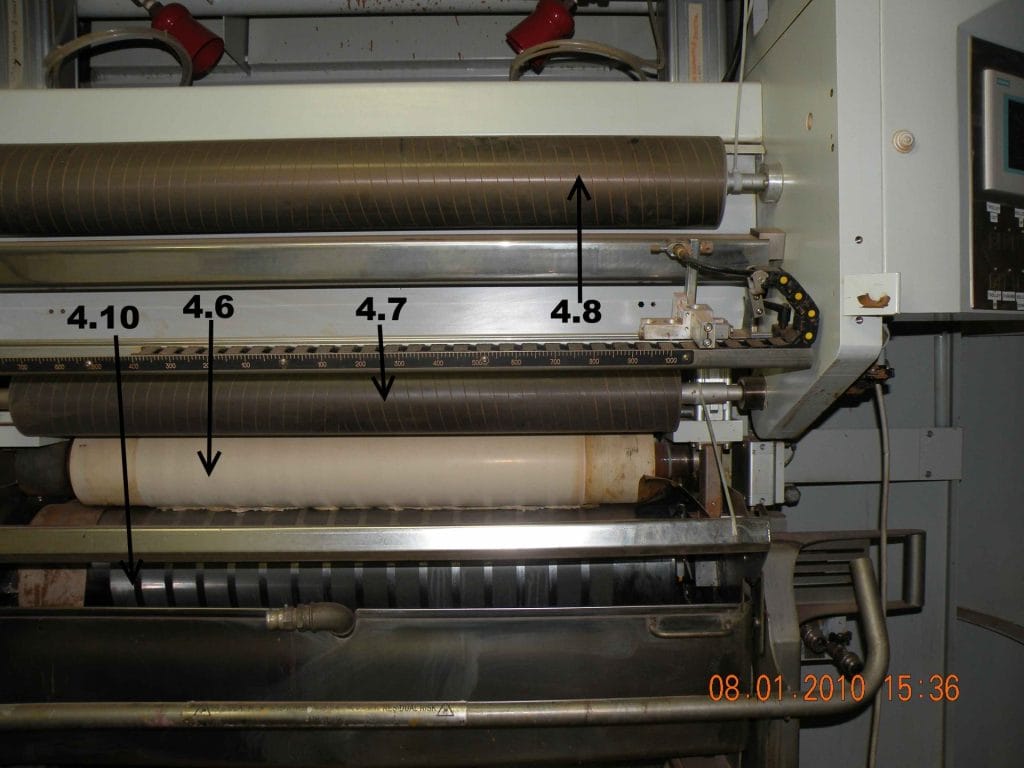
Smoke Contamination Threatened Essential Production Equipment
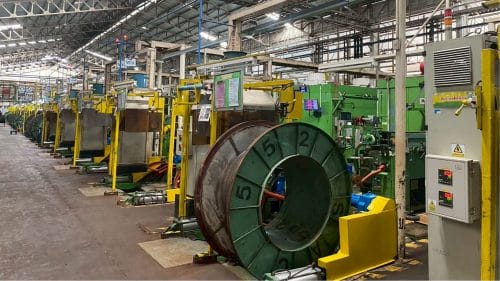
A detailed damage assessment revealed that oily smoke residues had spread throughout the facility, contaminating virtually all exposed surfaces.
Several critical production assets were affected, including:
- Washing and distilling equipment
- Printing machinery
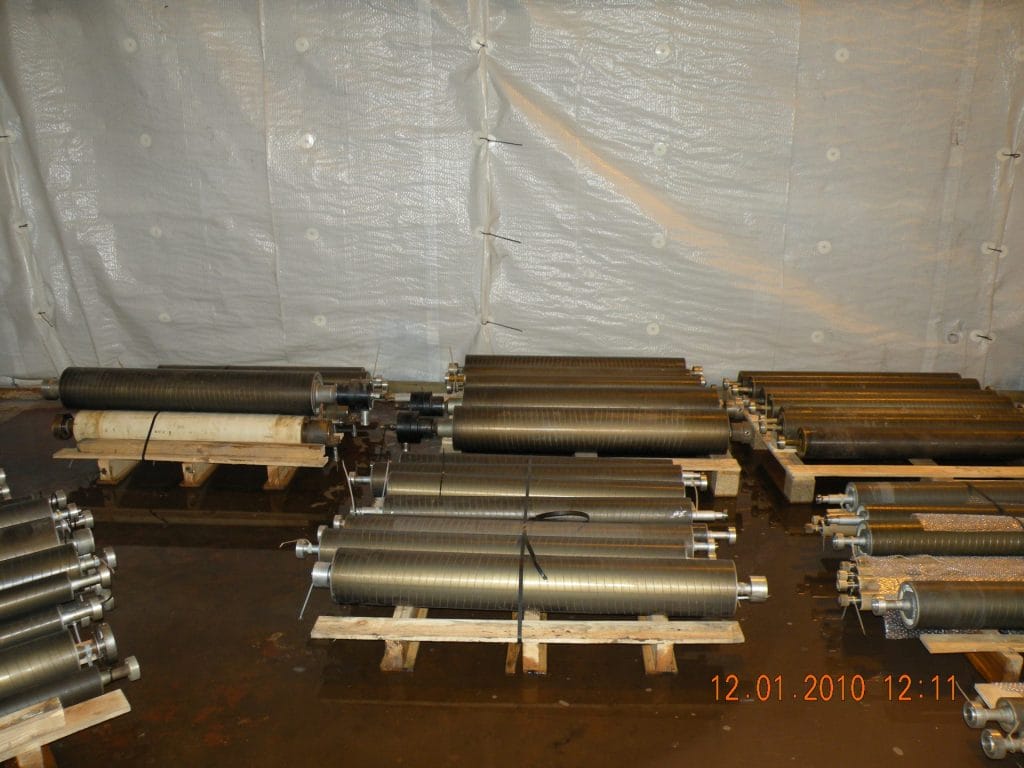
- Pressure rollers
- The ink storage area
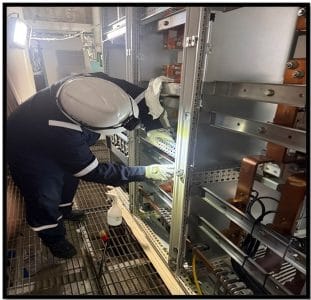
In some locations, smoke residues had bonded to metal surfaces due to the intense heat generated during the fire. While certain components required replacement, BELFOR identified opportunities to restore a significant portion of the equipment, helping the client avoid major capital expenditure.
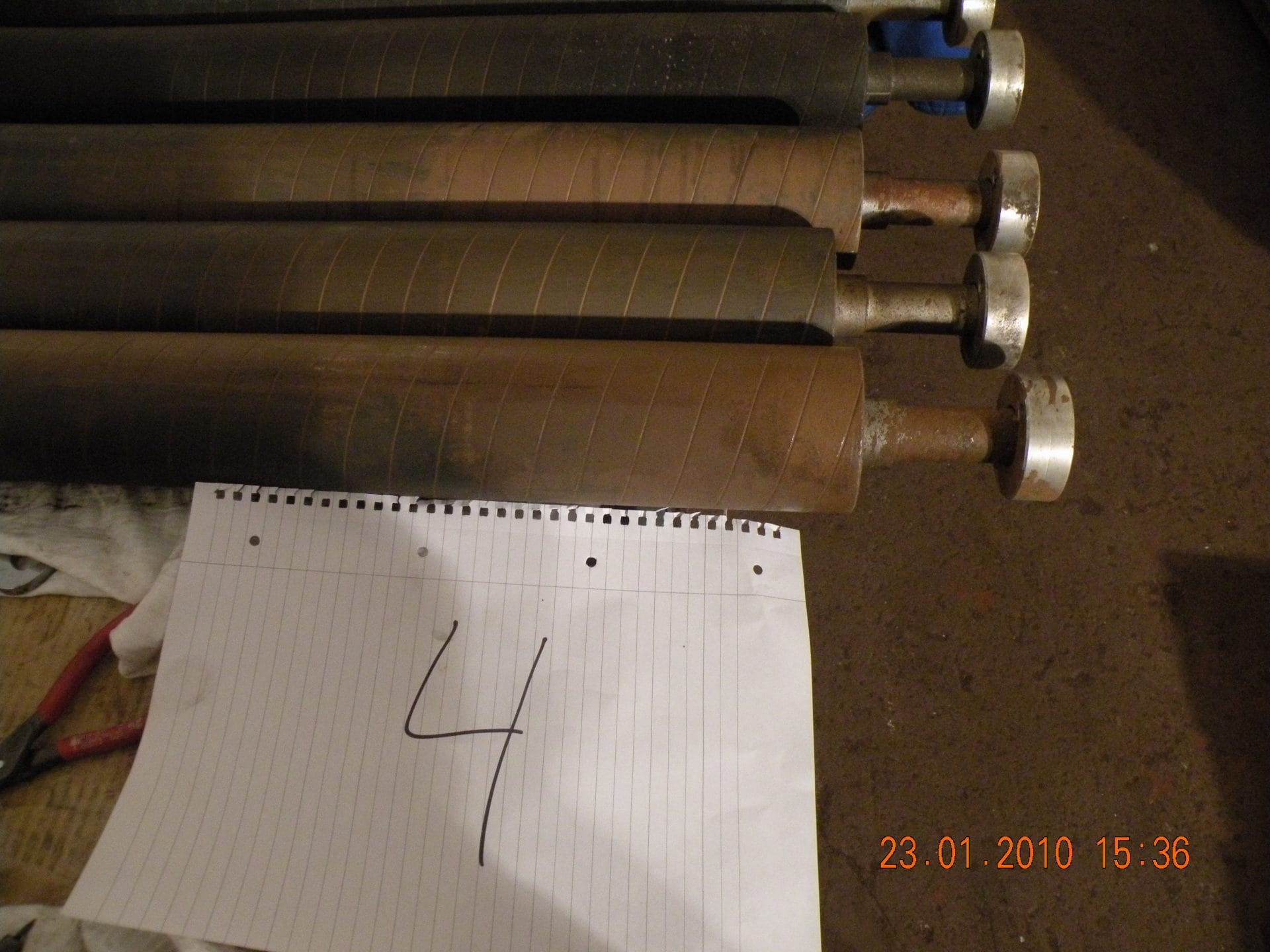
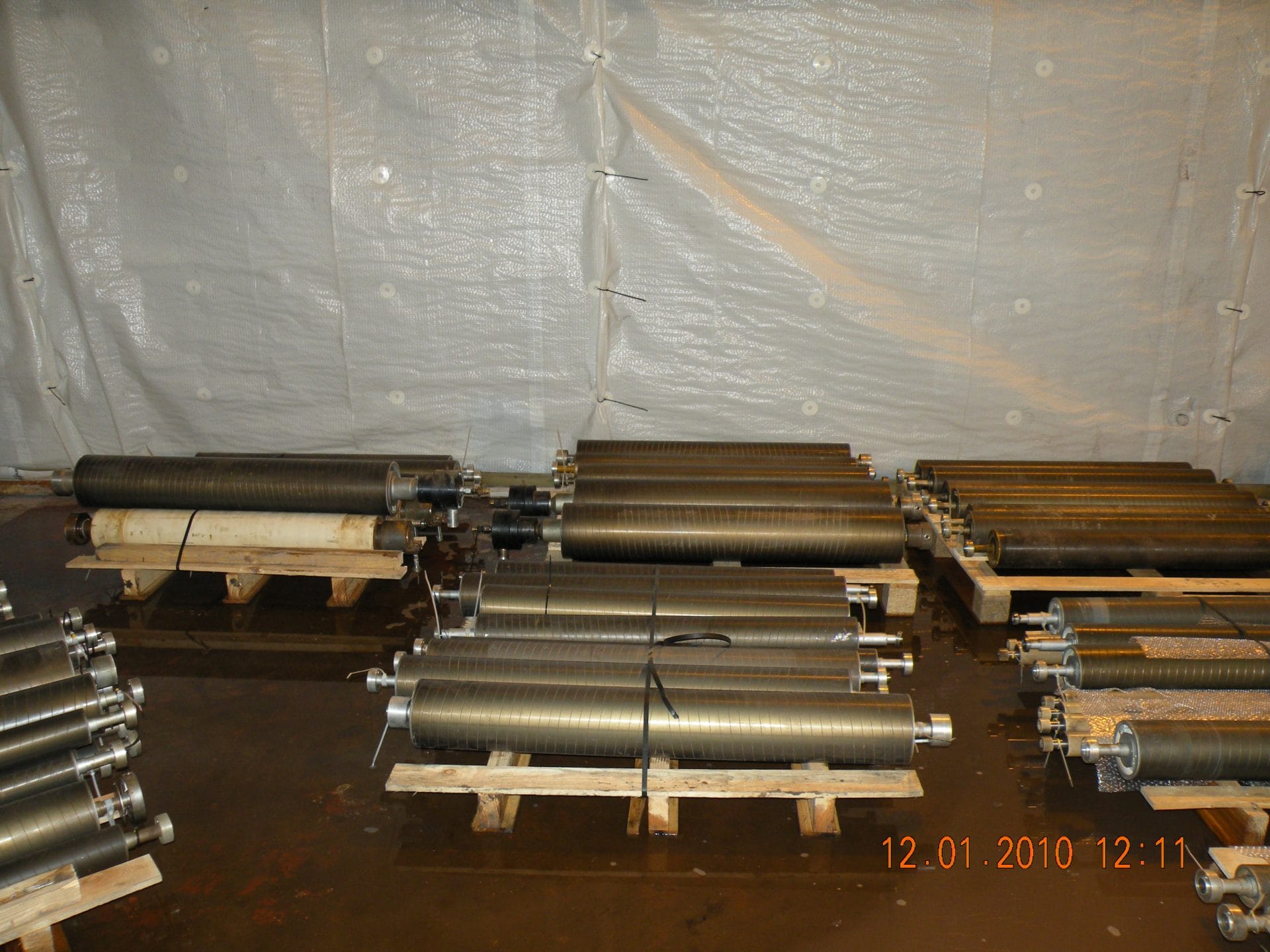
International Expertise Supports Complex Machine Restoration
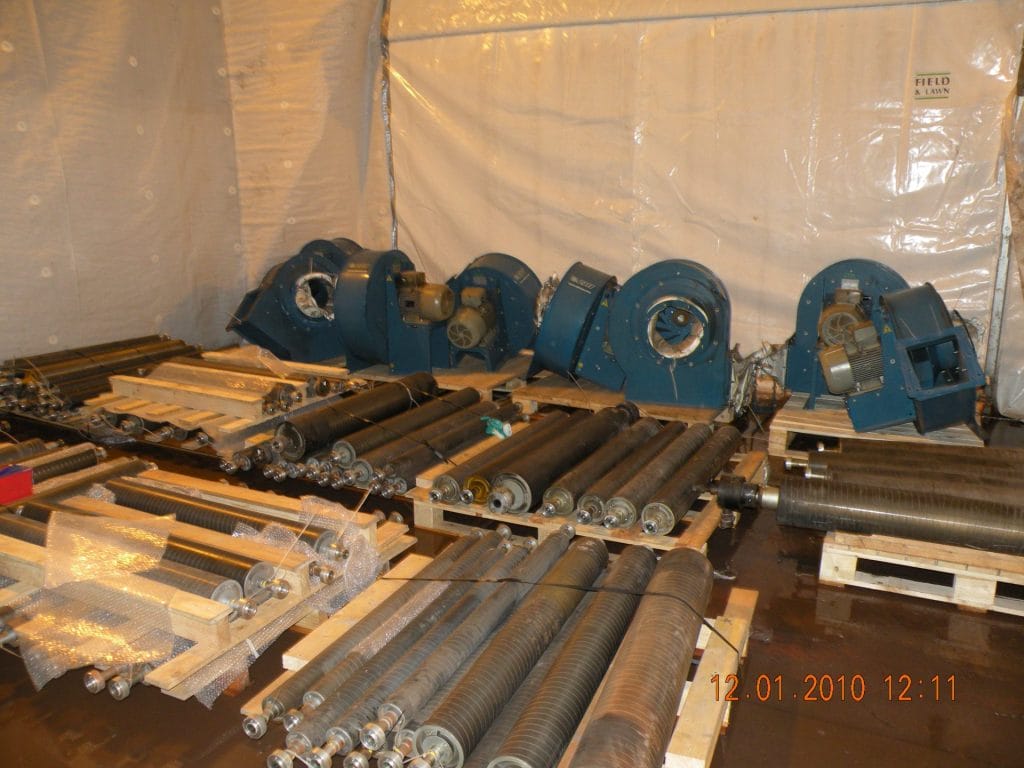
To manage the scale and complexity of the project, BELFOR established a controlled technical workshop within a specially constructed 15 x 15 metre enclosure. This environment protected sensitive machinery during the restoration process and ensured optimal working conditions.
When the extent of contamination became clear, BELFOR DeHaDe, the Group’s specialist machinery restoration division, was mobilized from Germany. Twelve experienced machine restoration experts joined the project team and systematically dismantled affected equipment, in some cases down to individual components.
Each part was carefully documented and uniquely marked to guarantee accurate reassembly and operational reliability after restoration.
Ultrasonic Cleaning Technology Accelerates Fire Damage Restoration
A key element of the project was the use of advanced ultrasonic cleaning technology, deployed in the United Kingdom for the first time on a restoration project of this type.
The cleaning system consisted of five 1,500-litre ultrasonic baths. Using high-frequency sound waves, the process generated microscopic cavitation bubbles that safely removed smoke residues, contaminants and corrosion from complex machine parts that conventional cleaning methods could not adequately reach.
This innovative approach enabled BELFOR to restore critical machinery components efficiently while maintaining the precision required for industrial manufacturing equipment.
Severe Winter Conditions Added Complexity to the Project
The restoration effort took place during one of the coldest UK winters in more than three decades.
Because sections of the roof had been destroyed by the fire, snow, rain and freezing temperatures entered the facility, creating additional risks for both equipment and restoration personnel.
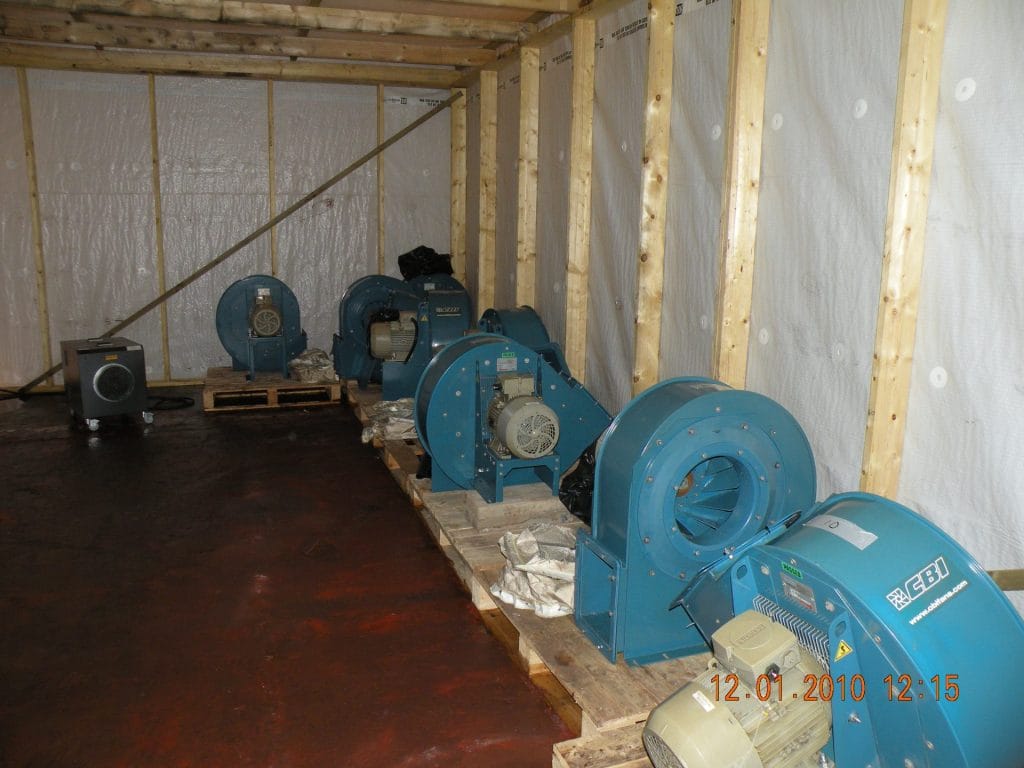
BELFOR implemented extensive protection measures, including:
- Temporary weatherproofing
- Industrial drying systems
- Ventilation equipment
- Mobile heating solutions
- Remote monitoring technology for temperature and humidity control
These measures ensured stable environmental conditions and helped prevent further damage during restoration.
Factory Returned to Production in Just 120 Days
A multidisciplinary team of 30 BELFOR specialists, including 12 experts from BELFOR DeHaDe, completed the project in approximately 9,500 labour hours.
The comprehensive fire damage restoration program was successfully finished in only 120 days, significantly reducing business interruption compared to machinery replacement or prolonged rebuilding.
In March 2010, the manufacturing facility was returned to the client fully restored and operational. By restoring rather than replacing critical equipment, BELFOR helped the customer resume production quickly while minimizing costs and protecting long-term business continuity.