Cruise Ship Fire Damage Restoration: Recovering Critical Electrical Systems and Legacy Equipment
When a fire aboard a large cruise ship resulted in soot contamination, seawater ingress and chloride exposure across multiple decks, BELFOR delivered a comprehensive marine fire damage restoration programme. Through detailed contamination mapping, precision electrical decontamination and the recovery of irreplaceable legacy equipment, critical shipboard systems were restored while helping the vessel avoid costly and time-consuming replacement challenges.
Large Cruise Ship Undergoing Refit and Conversion
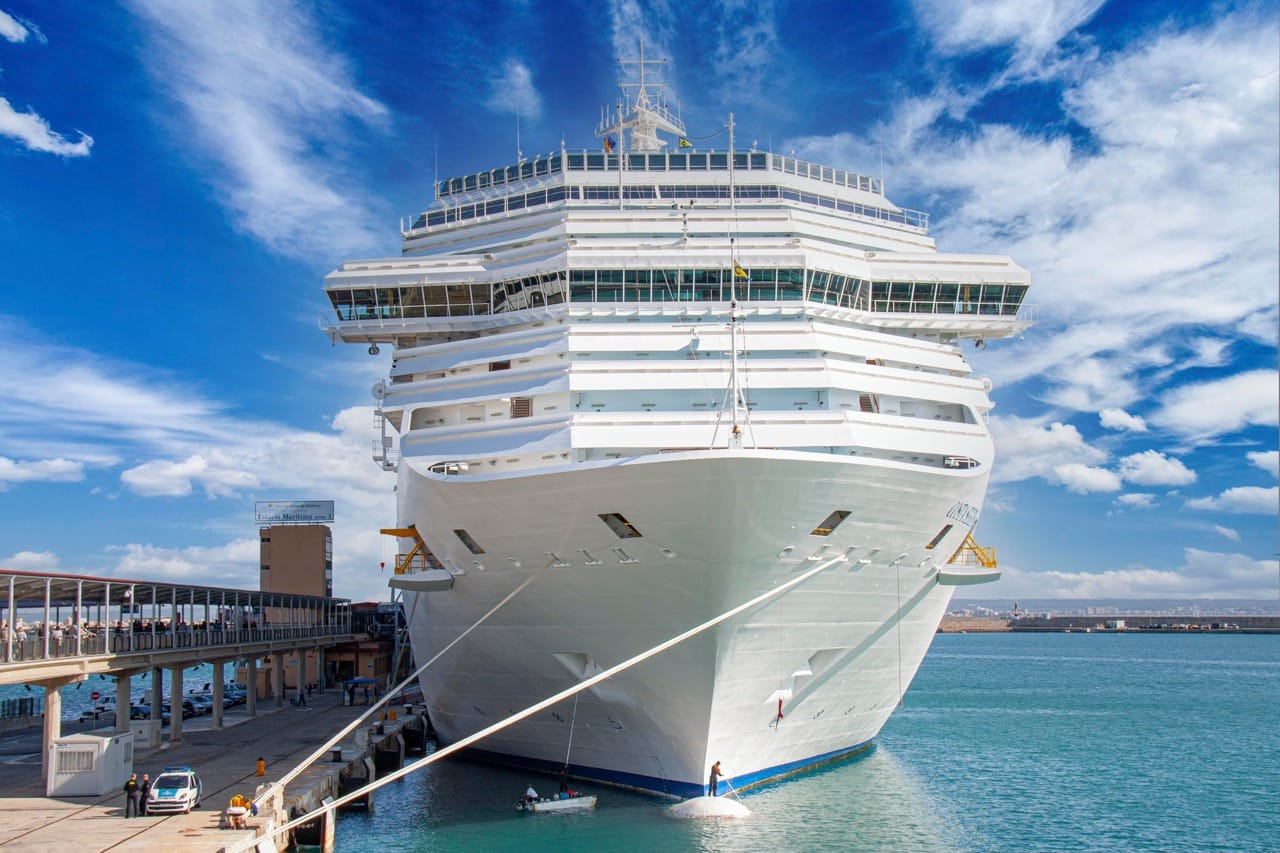
The vessel is a large cruise ship measuring over 150 meters in length, with a gross tonnage of more than 22,000 tons and capacity for over 1,000 guests. Built more than 40 years ago and originally operated as a passenger ferry in Europe, the ship underwent an extensive refit and conversion at a Singapore shipyard before being relaunched as a cruise vessel.
Fire, Seawater and Chloride Contamination Threaten Critical Shipboard Systems
A fire broke out on one of the upper decks of the vessel. The crew responded quickly, using seawater to bring the fire under control and applying seawater in an adjacent plant room to cool the overhead structure and prevent the fire from spreading between decks.
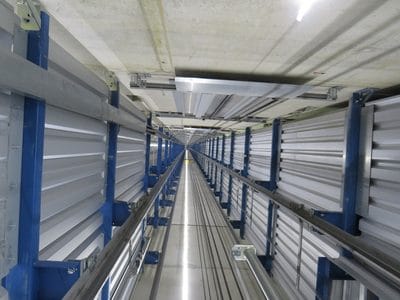
The firefighting water flowed down through openings, service penetrations and the lift trunk, migrating several decks below, including into the engine control room. The vessel was subsequently moved to a shipyard for repair and restoration.
The fire generated soot and chloride contamination from burned PVC cabling, which combined with the chlorides already present in the seawater used for firefighting. Left untreated, this contamination posed a serious risk of progressive corrosion to electrical and electronic components across the affected decks, along with mold growth on carpeting in one of the public lounges, both of which threatened the reliability of critical shipboard systems and the health and safety of personnel.
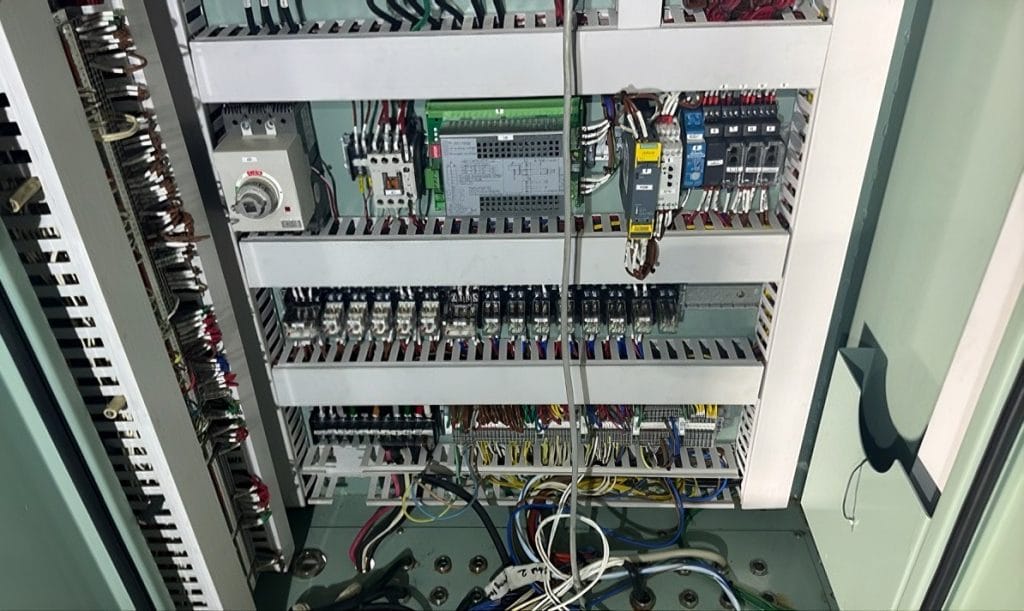
Adding to the complexity, the vessel’s age meant that a number of affected components were for legacy systems no longer in production, and replacement parts could not be sourced at all. This made precision cleaning and recovery, rather than replacement, essential to restoring the equipment.
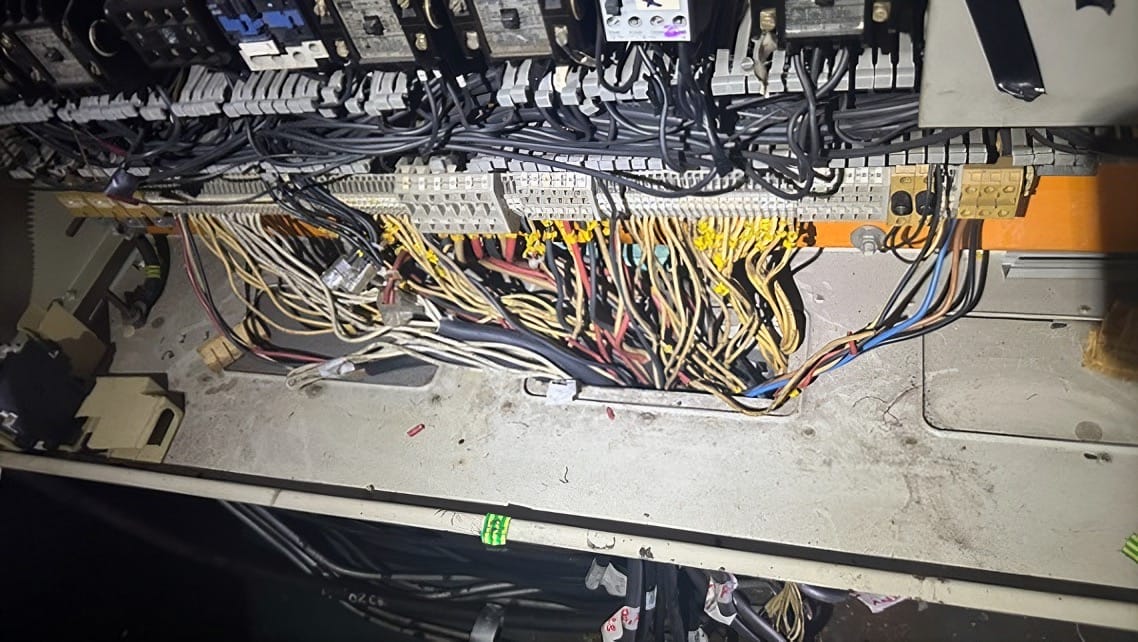
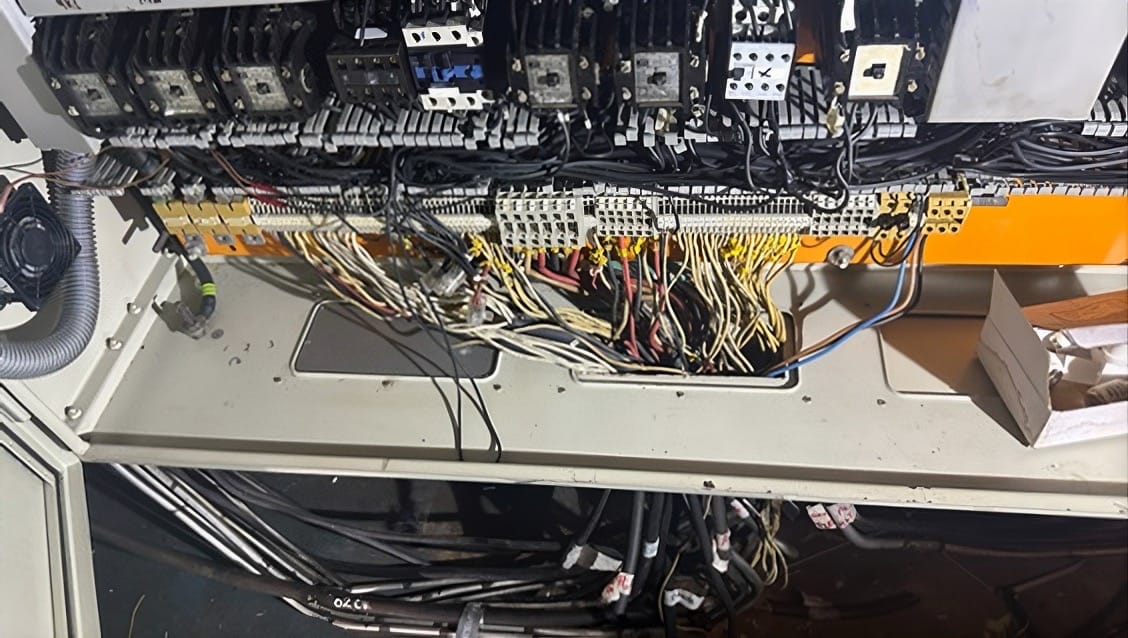
Marine Electrical Decontamination and Restoration of Legacy Equipment
The client engaged BELFOR Singopore to inspect the affected equipment, recommend loss mitigation and recovery measures, and document its findings. BELFOR’s team carried out a full inspection from the upper decks down to the engine control room, assessing the extent of soot contamination, chloride exposure and water ingress to produce a detailed contamination map.
Working aboard an active shipyard vessel brought its own set of operational challenges, which BELFOR addressed through careful planning:
- Before any recovery work began, BELFOR’s project manager and the client coordinated closely through a vessel safety coordination meeting, aligning on access routes, safety protocols and work sequencing specific to operating aboard a ship.
- Because hauling tools, equipment and parts in and out of the vessel is inherently difficult, every tool and component required for the job was meticulously planned and prepared in advance, minimizing the number of trips in and out of the ship
- Waste was carried off the vessel and disposed of by BELFOR’s approved waste disposal operators, avoiding contamination of the shipyard or the surrounding ocean.
- Given the vessel’s age and the unavailability of replacement parts for several legacy components, BELFOR prioritized precision cleaning and recovery over replacement, treating this as vital to restoring the equipment rather than simply an option.
Based on these findings, BELFOR carried out a structured decontamination program that included:
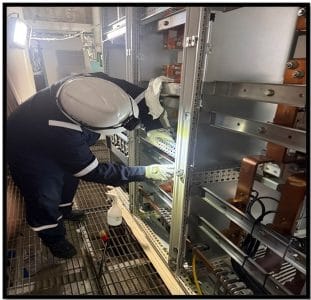
- Dismantling and precision cleaning of key electrical distribution panels, including elevator control panels, a restaurant and cafeteria distribution panel, an air-conditioning plant panel, and a pantry lighting and distribution panel.
- An aqueous, multi-step precision cleaning process using alkaline-based cleaning agents to neutralize acidic soot and chloride residues, followed by rinsing with deionized water.
- Off-site precision cleaning of dismantled electrical and electronic modules at BELFOR’s workshop, where components were further disassembled, cleaned, rinsed and dried under controlled conditions.
- Controlled drying in temperature-regulated enclosures, maintained between 50°C and 55°C, to fully remove moisture and prevent secondary corrosion.
- Reassembly of all decontaminated panels and modules to their original configuration.
Critical Electrical Systems Successfully Recovered Without Replacement
BELFOR successfully decontaminated all affected categories of electrical equipment aboard the vessel, addressing the chloride and soot contamination generated by the fire and subsequent firefighting efforts before it could develop into costly, progressive corrosion damage. Because several components could no longer be replaced due to the vessel’s age, BELFOR’s precision cleaning approach preserved equipment that would otherwise have been irreplaceable.
The client formally confirmed that the services provided were complete and satisfactory. By protecting critical electrical distribution and control systems, and by planning around the practical constraints of working aboard an active ship, BELFOR supported the client’s broader repair and restoration program for the vessel.
Cruise Ship Fire Restoration Preserves Irreplaceable Marine Electrical Assets
When fire and firefighting water threatened critical electrical systems aboard a large, decades-old cruise vessel, BELFOR responded with a structured inspection and precision decontamination program that addressed contamination at its source. Careful advance planning around access, tooling and waste handling, combined with a precision-first recovery approach for irreplaceable legacy equipment, helped safeguard the client’s vessel restoration timeline and reinforced BELFOR’s Marine Team role as a trusted partner for marine fire and water damage recovery.