Predictive and preventative maintenance on ships
Case study from the archive · First published in 2010
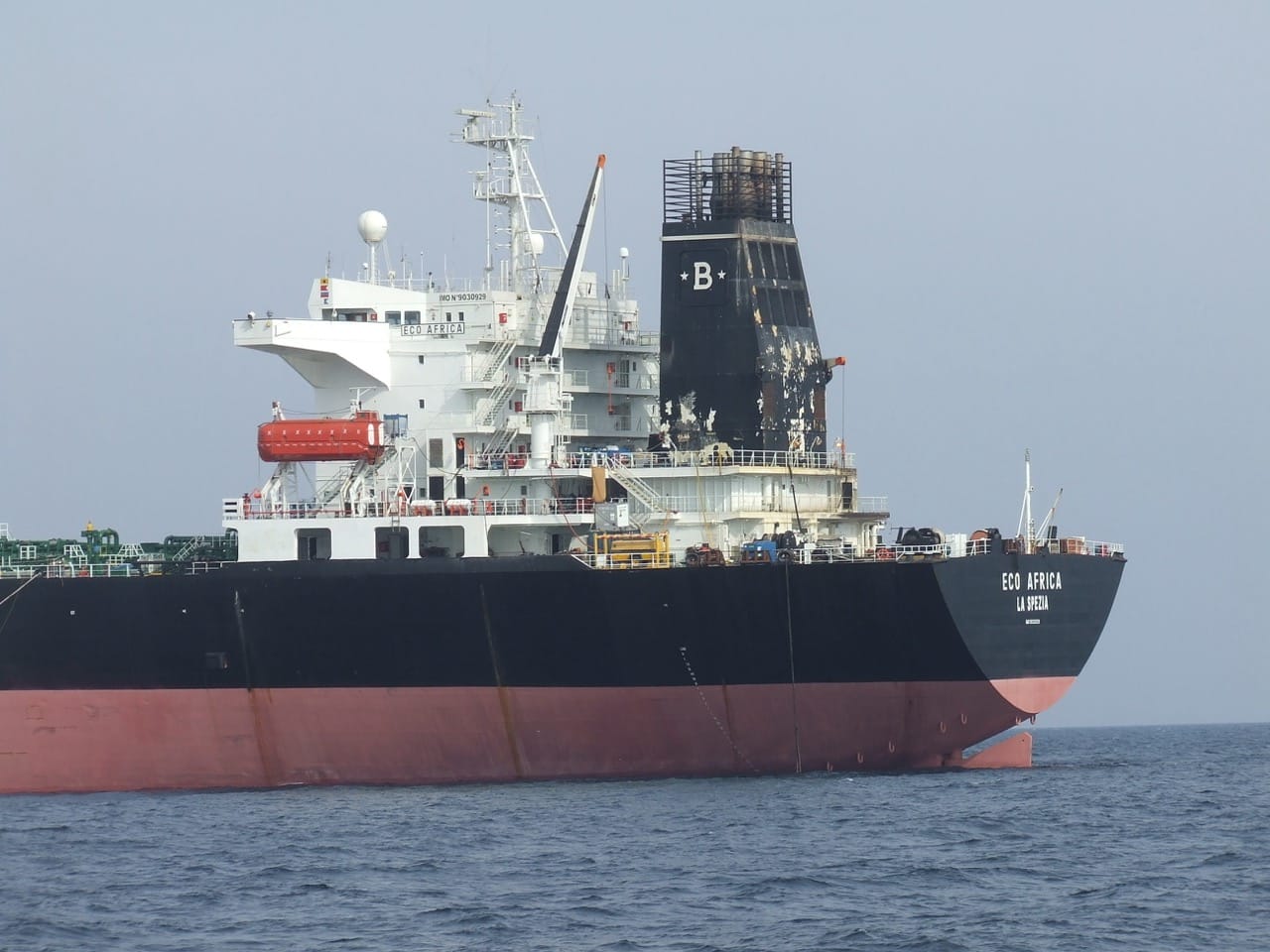
BELFOR has earned itself an excellent reputation over many years with ship restorations following fires or damage. What not many people know, however, is that you can bring us on board before you even set sail and save yourself any unpleasantness later!
Dead ship – dead business
Ship owners, classification companies and contract shipping companies all know that a new ship must run for at least ten years without a hitch after its launch to be profitable.
Every “dead ship” in the harbour or dry dock can result in tens of thousands of euros being lost per day in downtime costs and that’s not even considering the fines that become payable due to goods not being delivered on time. Consequently, more and more shipbuilders are arranging an appointment with the Dutch BELFOR subsidiary Recontec before their vessel launches. Yes, you read that right: BEFORE!
A look at the shipyard
It may at first seem like a paradox, but a critical look at the shipyard explains the contradiction: in shipbuilding plants that have been streamlined to maximum efficiency, many steps are carried out in parallel. Control cabinets and command bridges are already having their electronics installed, while immediately nearby welding and grinding work is being carried out on the hull construction.
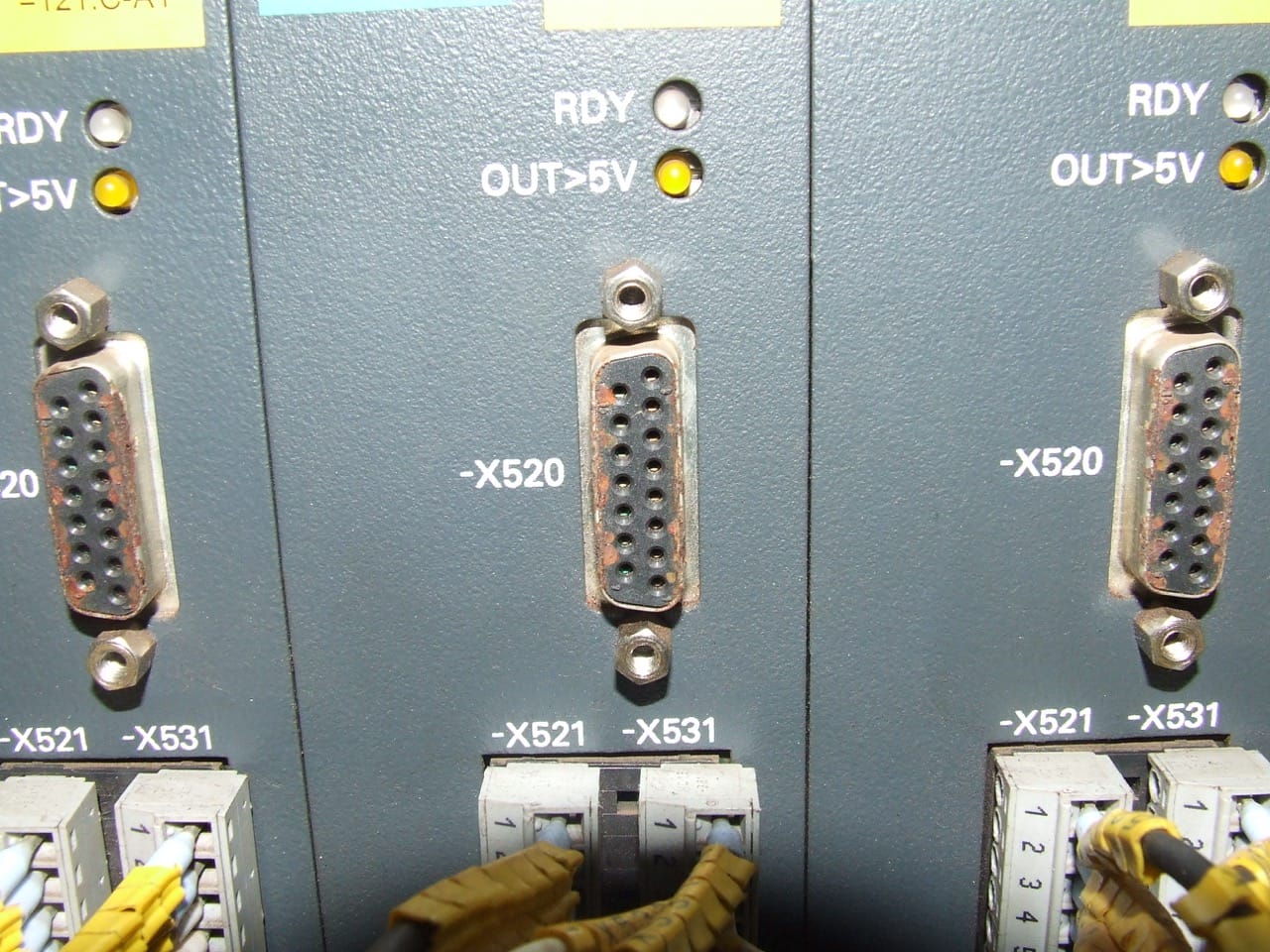
This can cause contamination, which deposits in the sensitive electronics systems. Out on the high seas, this can ultimately lead to serious technical problems. Shortcircuits due to conducting contamination, power interruptions due to dirt and corrosion – malfunctions, machine failure, standstill!
The two-stage solution from BELFOR
However severe the consequences of a technical failure may be, it can be just as difficult to locate the causes – and out on the open sea, almost impossible! This is why BELFOR has developed an efficient, two-stage concept that keeps every ship on course before it enters the water.
Tiny iron particles in contamination are the main cause of sudden technical malfunctions going all the way through to complete blackout. Tracing the cause of these mysterious failures can take months, depending on the case, and be extremely expensive.
Marco Stayen, fleet manager
Stage 1: Predictive maintanance
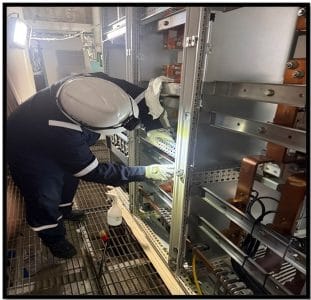
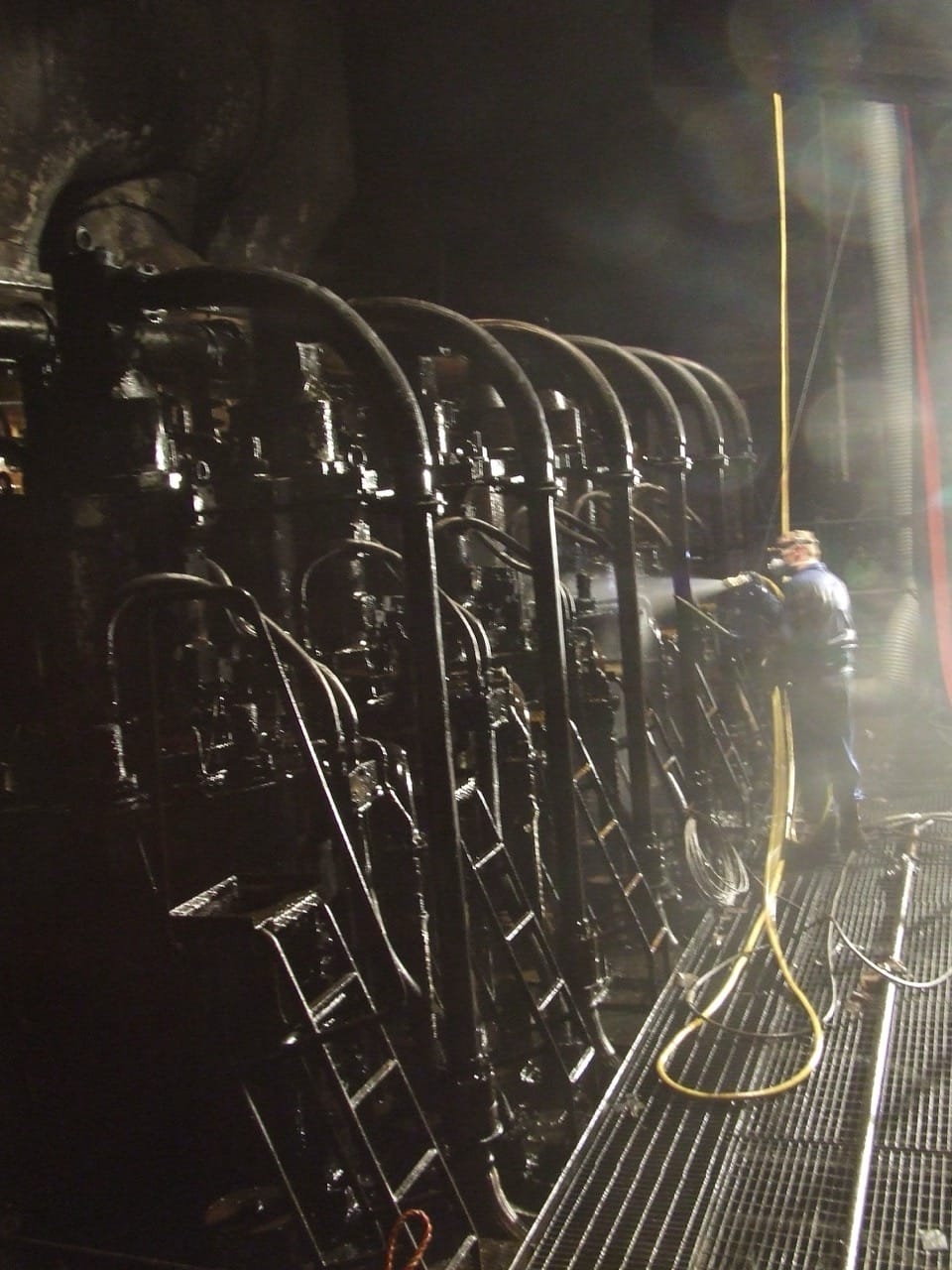
With predictive maintenance, experts from BELFOR Recontec forecast the probability of future functional problems using visual inspections, thermographic investigations and analyses of swab samples. These investigations are used to determine conductivity and the degree of corrosion. Results are summarised in an in-depth status report and a plan of action is drawn up.
Stage 2: Preventative maintanance
With preventative maintenance, BELFOR goes one step further and carries out a professional decontamination of all the affected systems, machinery and control units. The ship’s electronics and equipment are then tested by a team of specialist engineers and put into operation. The ship’s owner gets a NEW ship with NEW equipment and an original guarantee!
We see it as our mission to repeatedly alert shipyards to the need for preventative
maintenance
Peter Bandringa, Manager Technical Department & Newbuilding
Weighing up the costs and benefits
Does all this cost unnecessary time and money? Not if you consider the longterm benefits. “Preventative maintenance definitely means a higher level of operational reliability on board the ship and fewer damage claims ”, says Marco Stayen from Navigia Shipmanagement in Groningen, Holland. His colleague Peter Bandringa adds: “For us and our customers, reliability is the most important thing and we’re happy to invest a little more to guarantee that reliability.”
Always a bon voyage!
Great expectations arise with every ship launch. With predictive and preventative maintenance from BELFOR Recontec, you can be sure those expectations will be fulfilled!

Foresight
BELFOR’s strenghts
Shipping is arguably the mother of foresight, as it requires the ability to navigate to distant shores that cannot be seen in the normal range of vision. Foresight is also needed when it comes to restoring ships. After all, if you don’t look forward, you’re always looking back and that can be expensive!