Fire damage restoration in a school in Nantes completed in time for reopening
After a fire spread into a large school in Nantes, smoke and soot contaminated extensive parts of the building. BELFOR France began restoration work on 12 October and had one clear objective: complete the work by 16 November so the school could reopen as planned on 19 November.
Fire and smoke contamination affected large parts of the school
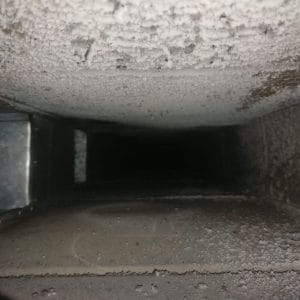
The fire broke out on 1 October 2026 after waste containers were set alight outside the school. The flames spread to the façade and then into the entrance hall. Smoke and soot travelled further through the building, creating the need for extensive decontamination.
With the reopening date already fixed, BELFOR divided the fire damage restoration into several phases. Priority areas had to be made safe first while work continued throughout the rest of the building.
900 m² refectory and 2,000 m² central hall required decontamination
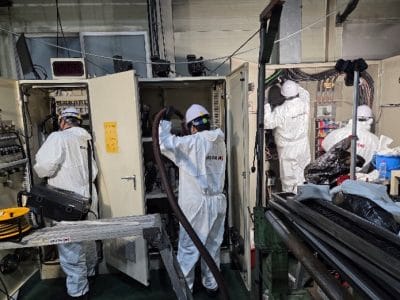
The first phase included the decontamination of the 900 m² refectory and all kitchen facilities. BELFOR also secured the reception, management and maintenance offices.
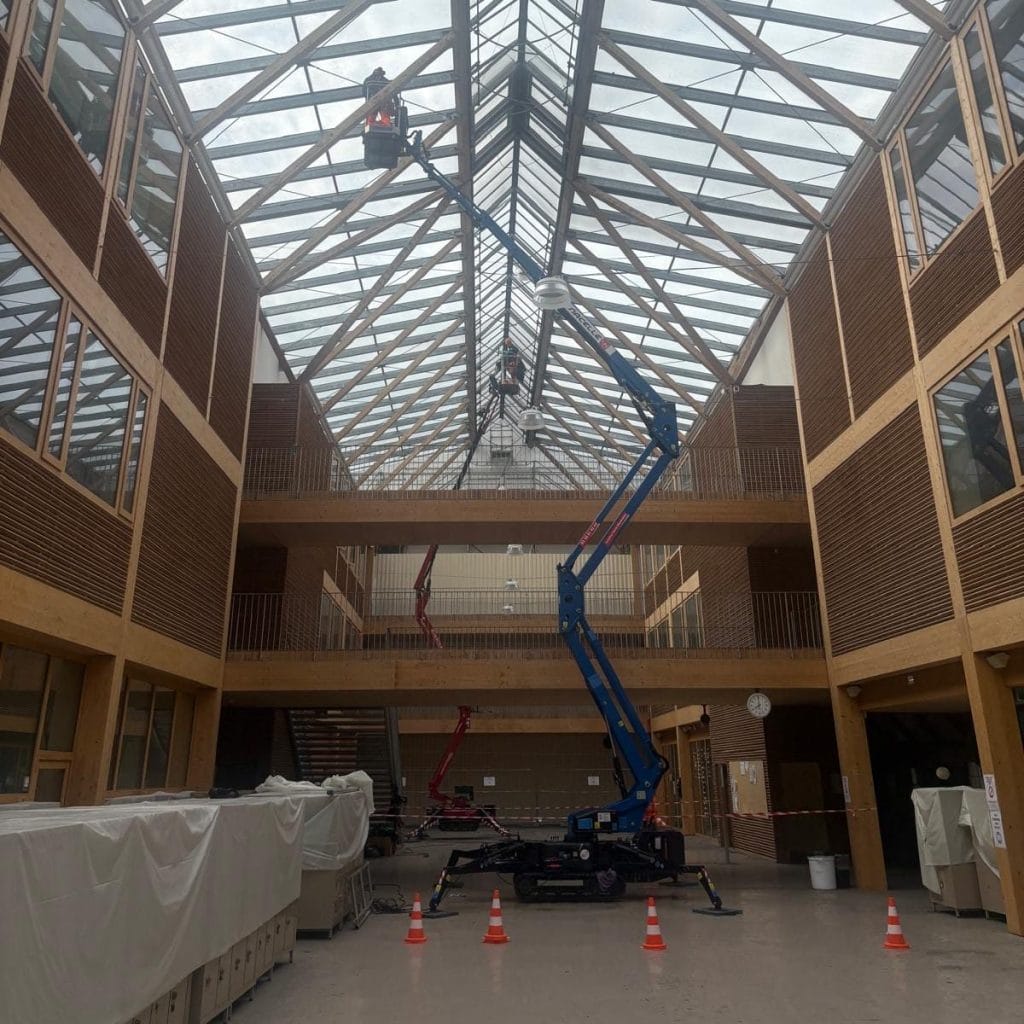
The next phase covered all corridors and plant rooms, as well as the school’s large central hall, representing 2,000 m² of floor area. Sections of the glazed roof also required repeated decontamination, with BELFOR teams using mobile elevated work platforms to access the affected areas.
4 to 10 BELFOR specialists worked on site for one month
Depending on the phase, the team consisted of 4 to 10 BELFOR specialists. The entire restoration project lasted approximately one month.
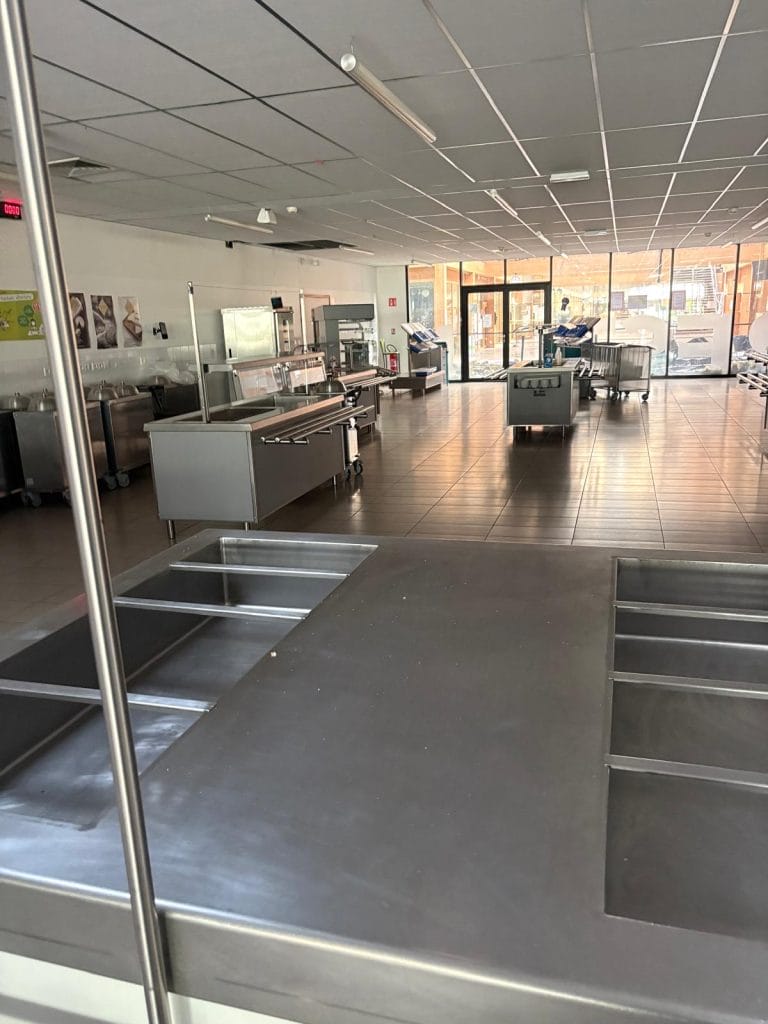
At the same time, electricians, demolition contractors and other trades were working on site. This required continuous coordination to avoid interference between workstreams and keep the recovery programme on schedule.
Regular media presence added another layer of complexity to the project.
A fixed deadline guided the entire recovery
Despite the scale of the contamination and the number of contractors working simultaneously, BELFOR kept the restoration focused on the agreed schedule.
The objective was clear from the start: finish by 16 November to make the planned reopening on 19 November possible.
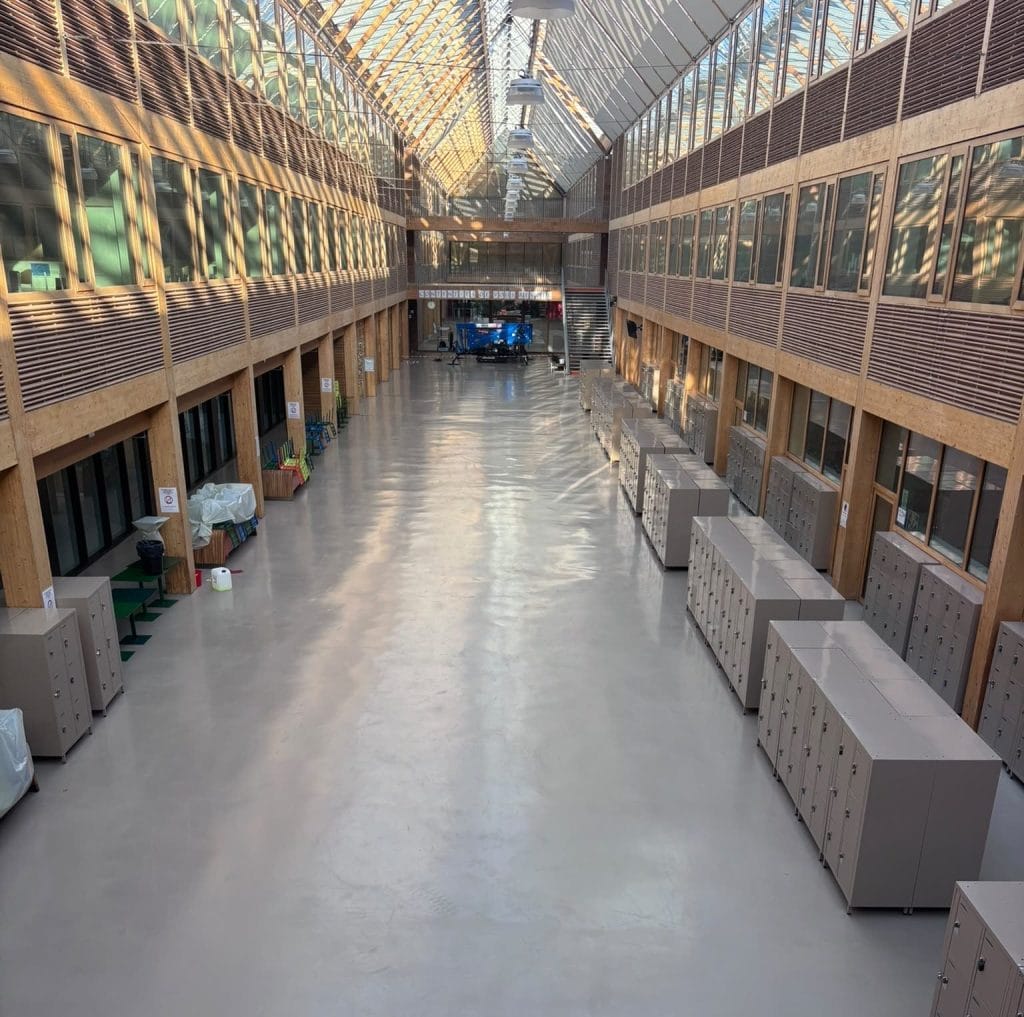
For insurers, loss adjusters and operators of complex facilities, the case shows how structured phasing, specialist decontamination and close coordination can help bring a heavily affected building back into use within a defined timeframe.