Removing Paint Contamination from 235 Vehicles in Slovakia
Case study from the archive · First published in 2010
Creative Surface Decontamination Prevents Costly Vehicle Replacements
When epoxy paint overspray contaminated 235 vehicles in Nitra, Slovakia, BELFOR developed a specialized surface decontamination solution that restored the affected cars without the need for expensive repainting or component replacement. By combining technical expertise, meticulous quality control, and efficient project management, BELFOR helped both the insurer and the vehicle owners achieve an economical and successful outcome.
Microscopic Paint Particles Created a Large-Scale Insurance Challenge
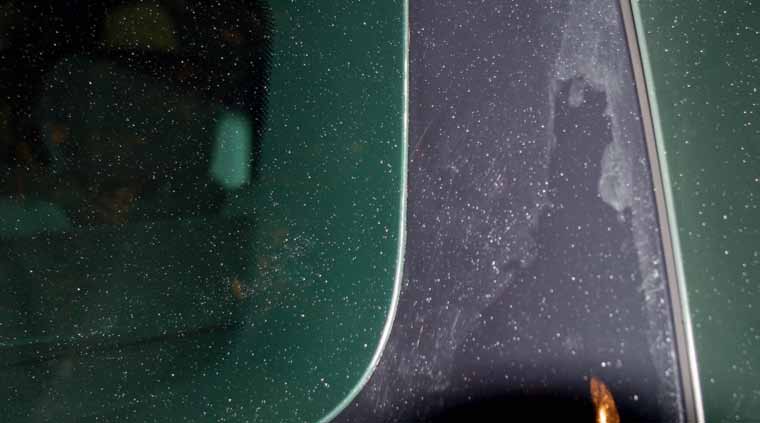
In August 2010, temperatures in Nitra reached 35°C. During renovation works at a nearby power plant, contractors applied epoxy paint using spray equipment. Unexpected winds carried microscopic paint particles approximately 500 metres to a parking area, where they settled on parked vehicles.
The contamination affected 235 vehicles, ranging from compact cars to luxury models. Due to the extreme heat, the paint particles bonded firmly to painted surfaces, windscreens, and plastic components. Conventional washing methods and standard chemical cleaners proved ineffective, creating a complex restoration challenge with significant potential insurance costs.
BELFOR Developed a Specialized Cleaning Strategy
Rather than resorting to costly replacement of affected parts, BELFORs R&D team designed a tailored restoration process focused on safely removing the contaminants while preserving the original vehicle surfaces.
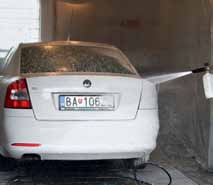
Where the car wash stops, BELFOR begins
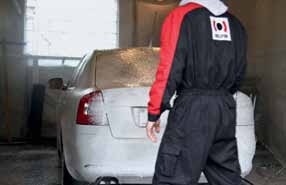
The project presented several challenges. Every affected vehicle owner had to be identified, contacted, and reassured that the restoration process would not damage their vehicle. At the same time, an appropriate indoor work location had to be established, as the cleanup operation extended into the winter months.
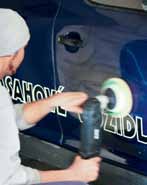
Once authorizations were secured, BELFOR began a highly controlled decontamination process. Vehicles first underwent contact-free washing before specialists removed the embedded paint particles by hand using professional-grade cleaning clay. Glass surfaces were treated with specialized automotive glass scrapers, while painted components were machine-polished to restore their original finish. The process concluded with the application of two protective wax layers.
Precision Work Delivered Consistent Results Across 235 Vehicles
Each vehicle required up to six hours of restoration work by two BELFOR specialists. With only four to five vehicles completed per day, the project demanded approximately three months of intensive precision work.
To support the claims process and minimize disruption for policyholders, BELFOR also coordinated transportation arrangements, ensuring vehicle owners could continue their daily routines while restoration work was underway. This required careful scheduling, communication, and logistics management throughout the project.
Every restored surface was inspected using portable microscopy equipment to verify that all contamination had been removed successfully. Only after passing this detailed quality assessment did BELFOR issue a written quality guarantee.
Technical Expertise and Creative Solutions Reduced Costs for All Stakeholders
The Nitra project demonstrates how specialist surface decontamination expertise can provide insurers, loss adjusters, and property owners with practical alternatives to replacement and extensive repair work.
By developing a customized restoration method for a highly unusual contamination event, BELFOR successfully restored 235 vehicles, controlled claim costs, and delivered a quality-assured solution that protected both insurer interests and customer satisfaction.