Tsunami Recovery in Japan: How Rapid Disaster Recovery Minimized Business Interruption
Case study from the archive · First published in 2011
The 2011 Japan Earthquake and Tsunami
11 March 2011, 15:40 local time.
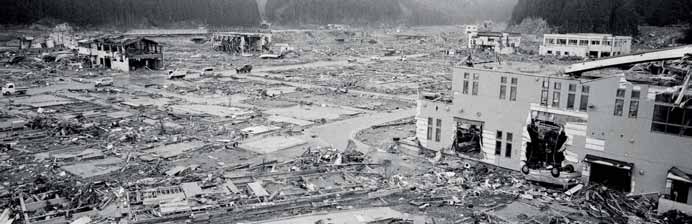
A wall of water advances towards Japan’s northeastern coastline. Waves reach heights of up to 40 metres. Ships, homes and entire communities are swept away. More than 20,000 people lose their lives and hundreds of thousands are forced into emergency shelters.
The earthquake that triggered the tsunami measured magnitude 9.0, making it the most powerful earthquake ever recorded in Japan. Beyond the humanitarian tragedy, the disaster caused widespread damage to businesses, infrastructure and industrial facilities across the country.
Emergency Response and Business Continuity After the Disaster
For decades, Tokio Marine & Nichido Fire, Japan’s largest private insurance group, has studied the risks posed by natural disasters and supported clients in recovering from their consequences.
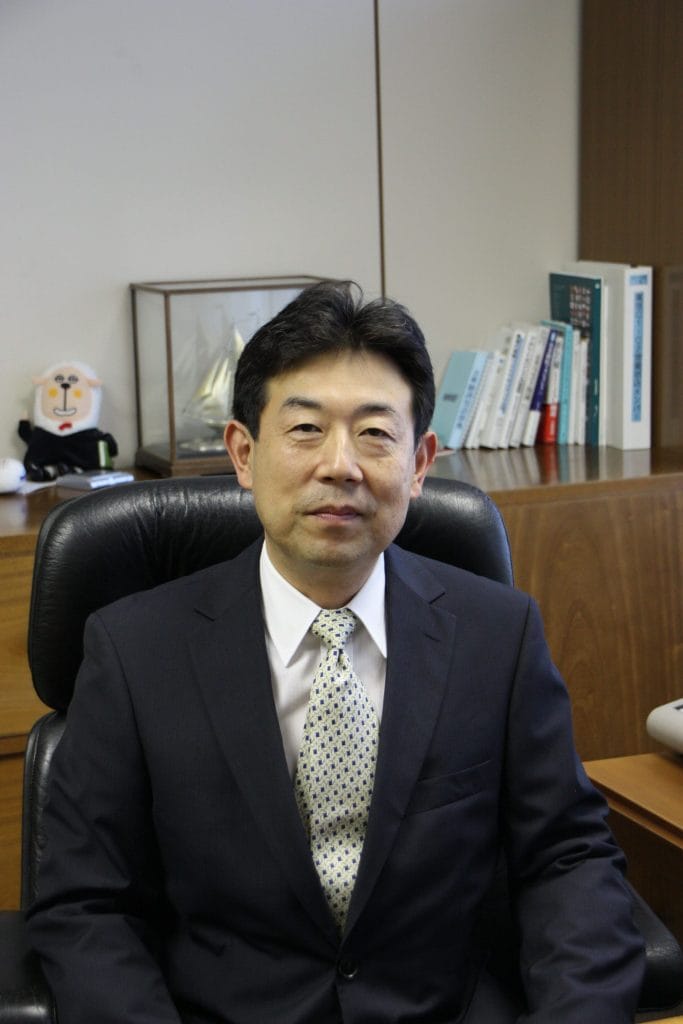
“The innovative methods at BELFOR have impressed us just as much as most of our clients”
Kiyoaki Sano, Managing Director of Tokio Marine & Nichido Fire
Within hours of the earthquake and tsunami, previously established emergency programmes were activated. Just 18 hours after the event, a dedicated hotline staffed by approximately 90 employees was launched to assist affected customers.
At the same time, a specialised Tohoku Task Force was created. Bringing together experts from management, risk management, claims handling, communications and marketing, the team coordinated emergency response efforts, assessed damage and supported affected employees and customers.
Reducing Business Interruption Through Disaster Recovery
Tokio Marine’s response extended beyond insurance claims.
Through its subsidiary Tokio Marine & Nichido Risk Consulting (TRC), the company helps clients establish business continuity plans and prepare employees for future disruptions.
An important part of this strategy is the recommendation of BELFOR’s disaster recovery services. Since 2003, more than 130 BELFOR projects have been successfully completed for Tokio Marine clients in Japan.
According to Tokio Marine, BELFOR’s restoration solutions have repeatedly helped businesses reduce business interruption, lower replacement costs and resume operations faster after major disasters.
Industrial Recovery After Tsunami Damage
Tsunami Damage at Mitsubishi Paper Mills
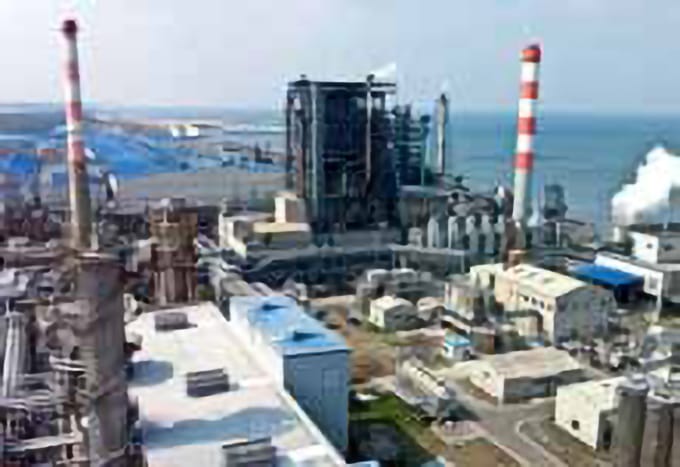
The impact of the tsunami was also felt in the port city of Hachinohe.
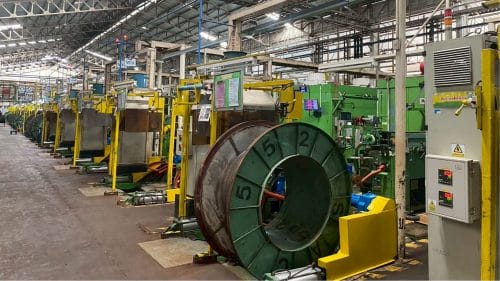
One of Mitsubishi Paper Mills’ largest production facilities, covering approximately 1.5 million square metres, suffered extensive flood damage when waves reached heights of up to 8.4 metres.
The site lost electrical power, control systems failed and significant volumes of paper stock became unusable due to water contamination.
Faced with severe operational disruption, Mitsubishi Paper Mills called BELFOR Japan for support.
Electronics Restoration and Operational Recovery
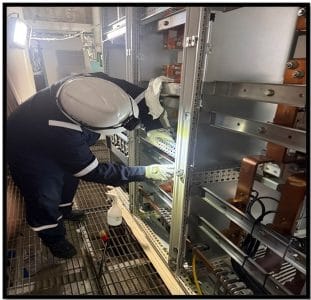
BELFOR Japan immediately implemented emergency measures to prevent corrosion and limit further damage.
A successful trial restoration of a contaminated electrical cabinet demonstrated the effectiveness of the recovery process and led to BELFOR being entrusted with restoring the facility’s critical electronics systems.
Despite the lack of electrical power, a temporary workshop was established using diesel generators. A core BELFOR team worked alongside up to 50 Mitsubishi Paper Mills employees, accelerating recovery while optimising available resources during a period of national crisis.
Accelerating Production Recovery and Business Continuity
The recovery programme delivered results quickly.
By late April, the first drive systems were operational again. In mid-May, power was restored across the facility.
From 24 to 26 May, paper machines and coating systems gradually resumed production.
An unexpected benefit followed. Mitsubishi Paper Mills was able to supply up to 50,000 kW/h of electricity to the surrounding region, helping support communities still affected by the earthquake and tsunami.
Fast-Track Disaster Recovery Delivers Early Results
BELFOR completed its restoration programme on 30 June 2011.
During 102 days of recovery work:
- Around 1,000 switch and control cabinets were restored
- Approximately 50 additional electrical devices were recovered
- Key production systems returned to operation ahead of schedule
By mid-November 2011, all seven paper machines and all three coating lines were expected to be fully operational, one month earlier than originally planned.