Fire Damage Restoration at a Brewery in Northern Germany
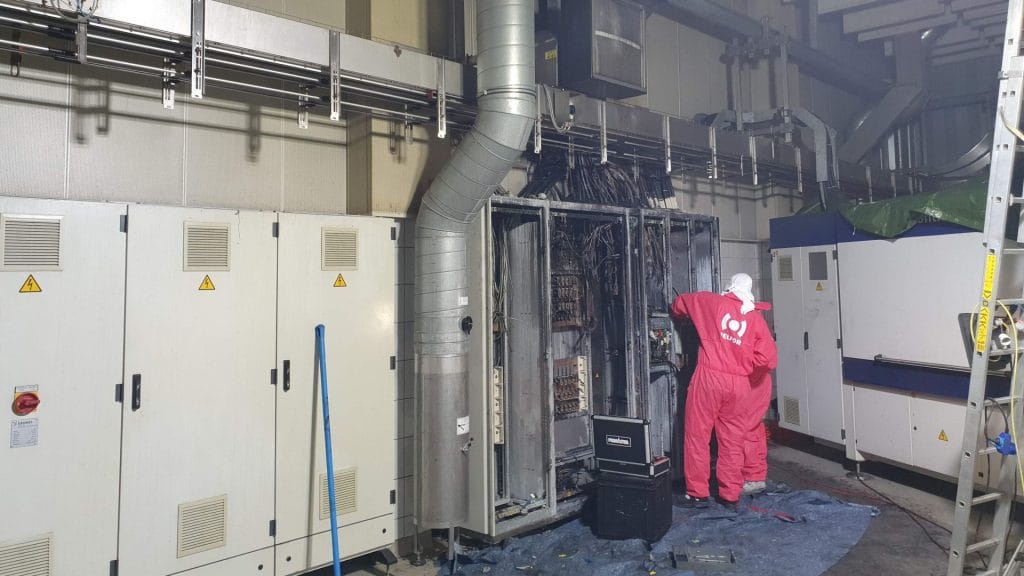
It happened in the early hours of a Saturday morning. Flames and acrid smoke spread through a production hall at a brewery in northern Germany. A few days later, the cause of the fire was identified as a short circuit in the main low-voltage distribution board.
The fire caused severe burn damage to the main distribution unit and switch cabinet, as well as to adjacent cable trays extending over a length of more than 10 meters. Due to the intense heat in the fire zone, the roof structure above—made of sandwich panels—and the adjacent internal roof drainage channels were heavily damaged and in some areas completely destroyed.
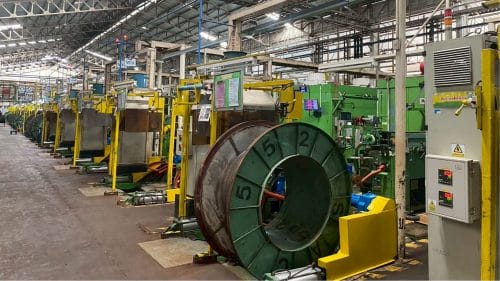
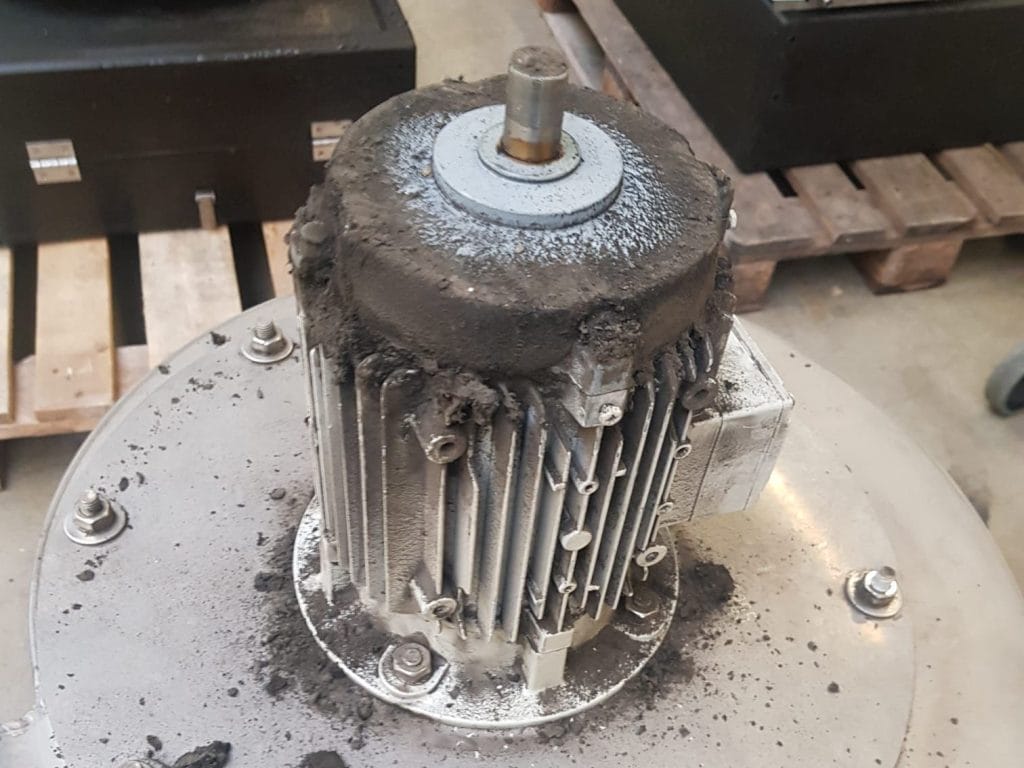
But that was far from all. The equipment and machinery in this production hall—normally used to manufacture PET bottles, fill liquids and prepare the goods for transport—were also affected. Due to chloride contamination, a by-product of the fire that spread throughout the entire hall, rapid restoration and emergency measures were urgently required. The contamination particularly affected exposed metallic surfaces and machine components, where it caused corrosion.
Access Granted to the Damaged Area – Emergency Measures Begin
BELFOR Germany received the call for help on 3 August 2021, with a request to take over as soon as the site was released and to use our expertise and know-how to put all necessary measures in place.
On the very same day, our restoration experts from the Braunschweig branch professionally assessed the site and began organizing the emergency measures, including the deployment of BELFOR’s major-loss trailer, which is fully equipped for this type of damage scenario.
Emergency Measures: Preventing Cross-Contamination
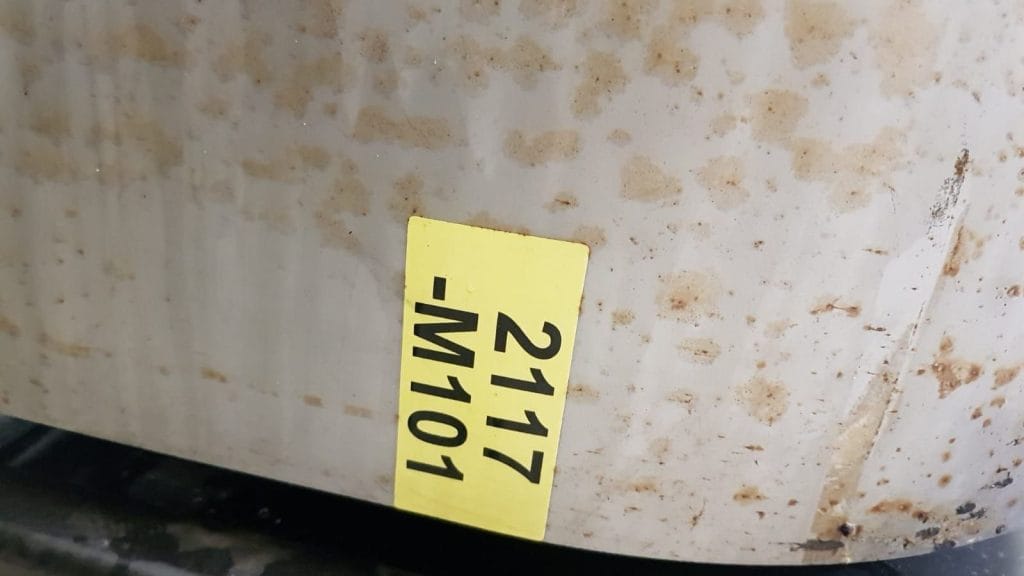
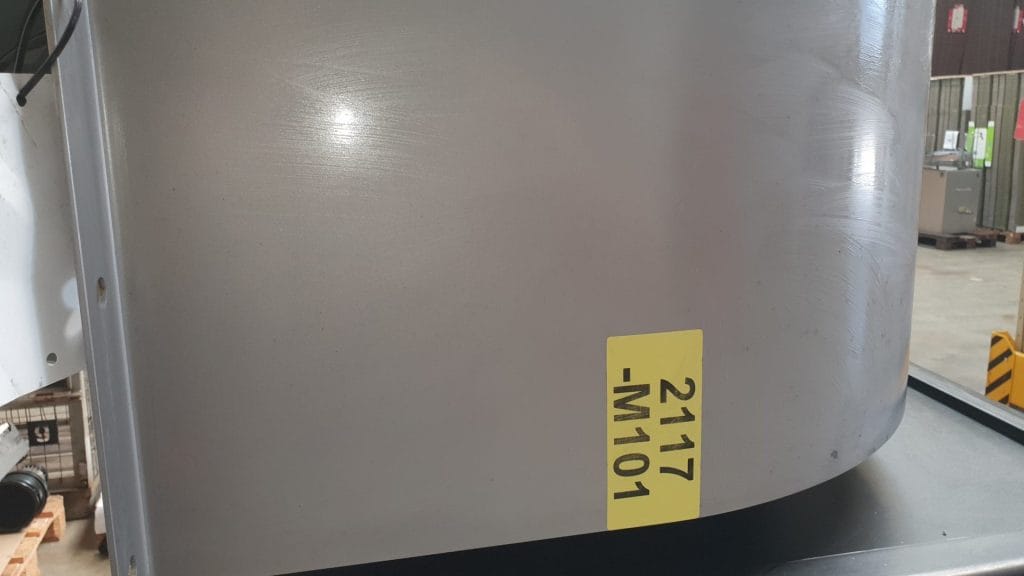
The approximately 1,700 m² bottling hall, with a height of up to 9.20 meters, was immediately decontaminated by vacuuming all building and machine surfaces. Before that, all walkways were cleaned and neighboring hall areas were sealed off. This prevented contamination from spreading and allowed work in the adjacent halls to continue without disruption.
Emergency Measures: Stopping Corrosion
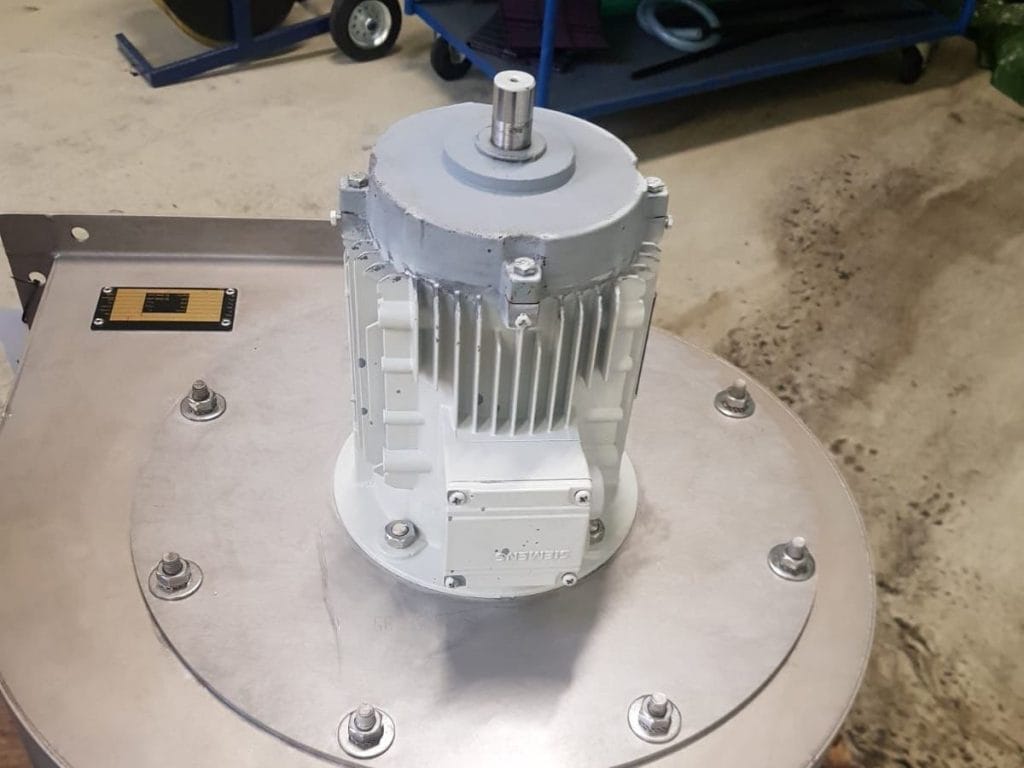
In the next step, urgently required corrosion arrest was achieved by applying a special BELFOR product to the metallic surfaces. Machine and plant components with direct product contact were preserved using food-safe oils.
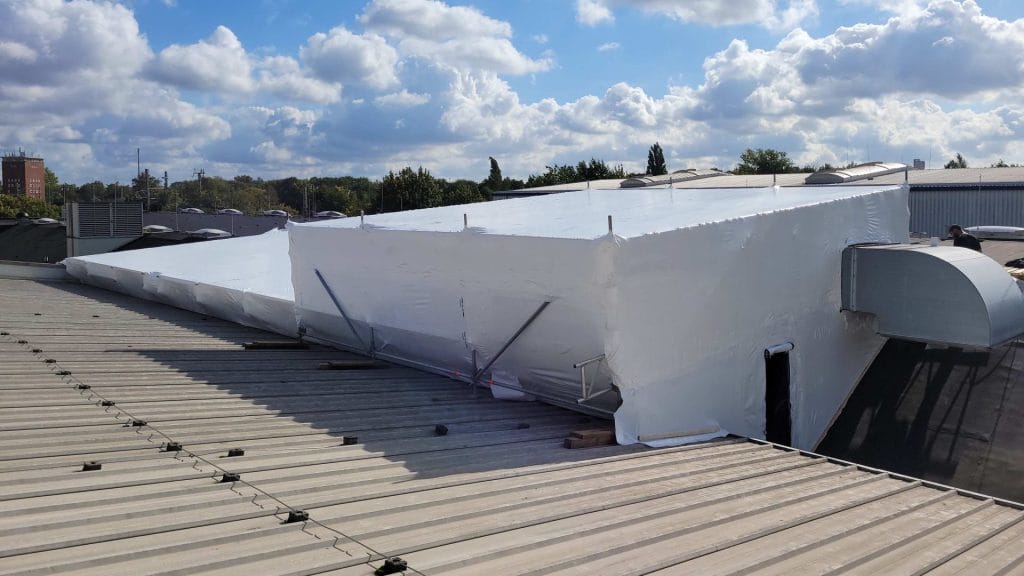
The stretch blow molding machine located in the immediate fire area—which produces PET bottles from preform blanks—was enclosed in a foil tent and dehumidified using targeted tent drying in order to prevent further corrosion on machine components or electronic systems.
Restoration Begins After the Initial Measures
Once these essential emergency measures had been completed and the spread of damage had been contained, work could begin on preparing a restoration concept and construction schedule specifically tailored to this loss. Naturally, both were developed in close coordination with the brewery’s management.
Throughout the entire claims process, regular and constructive coordination with the insured party proved particularly valuable for documenting restoration progress and monitoring the construction schedule. This ensured that the restoration process could be managed in the best possible way.
This was especially important because certain trades—such as scaffolding, metal construction and equipment manufacturers—were commissioned directly by the brewery, while BELFOR was entrusted with coordinating all measures as a whole.
Operations Restart After Four Months
Under BELFOR’s professional loss management, the entire project was completed to the customer’s highest satisfaction in just under four months, involving a total of 2,784 man-days.
The head of bottling was particularly pleased that the first 4,000 bottles could already be filled on the line again on 18 November 2021. The BELFOR team left the site one week later.
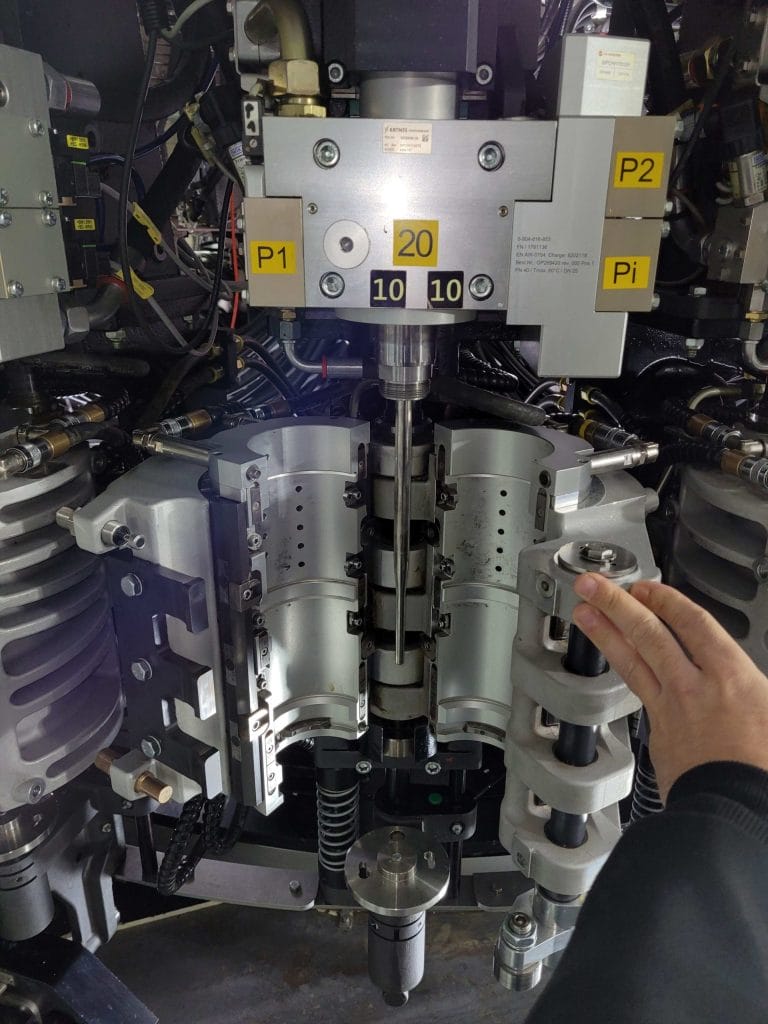
After the turn of the year, however, we were already back on site again—this time to carry out restoration work on another bottling line as part of a machine overhaul involving a Contiform stretch blow molding machine.
The Restoration Process
- Illumination of the entire production hall
- Assistance/support with the erection of approximately 12,150 m³ of scaffolding
- The “accident switch cabinet”, adjacent cable trays and part of the air conveyor duct had to be dismantled and disposed of quickly due to thermal damage and the risk of contamination spread or cross-contamination
- Installation of a second restoration level above the full-surface scaffolding
- Removal of approximately 2,200 acoustic ceiling elements and approx. 520 m² of acoustic wall elements
- Removal of sound insulation on/in machinery and removal of pipe insulation
- Removal of the old roof light strips
- Restoration of the sandwich roof / steel support structure and skylight dome
- Coating / corrosion protection of the ceiling using Allfix and KWG
- Restoration of wall surfaces, supply/exhaust air ducts, cable installations and support structures of the acoustic ceiling
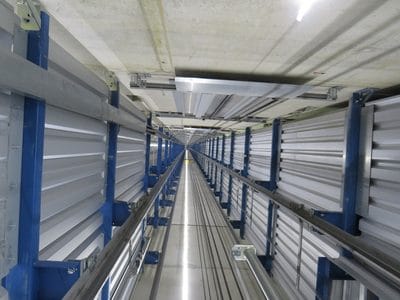
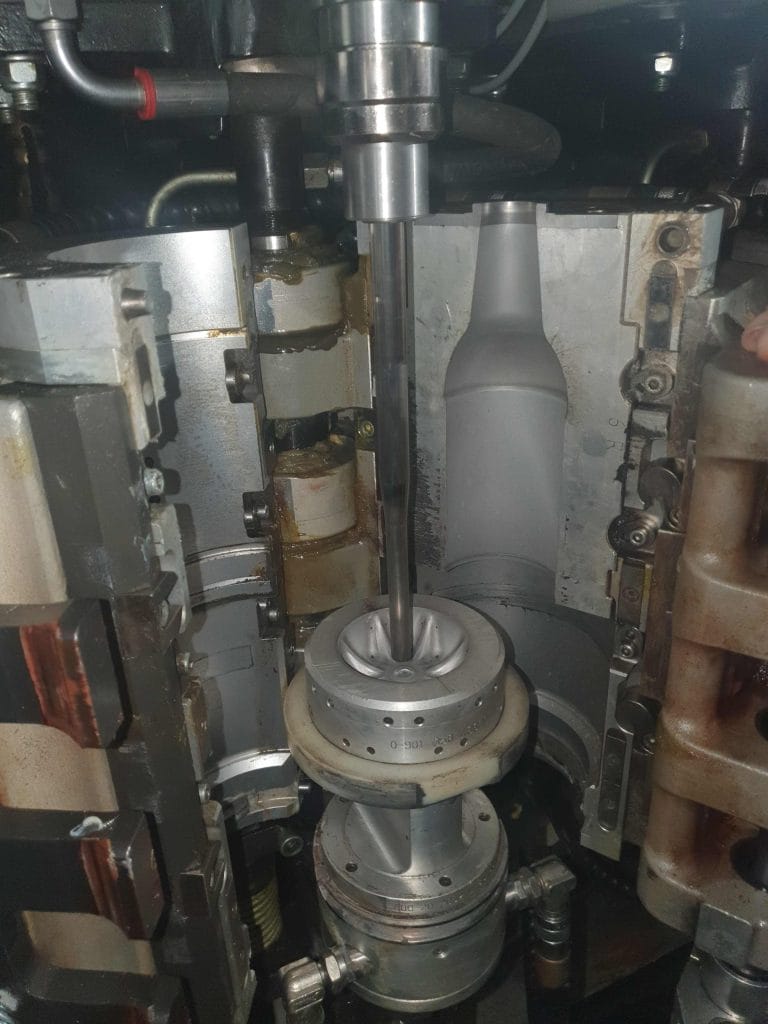
- Restoration of the dismantled air conveyor bottle ducts, fan units and bridge belts, as well as various system components and blow molds
- Components with direct product contact were additionally disinfected
- Removal of corrosion from linear guides, filling units, machinery, pipes, housings, suspensions, etc.
- Fine restoration of machinery and system components
- Restoration of all building surfaces
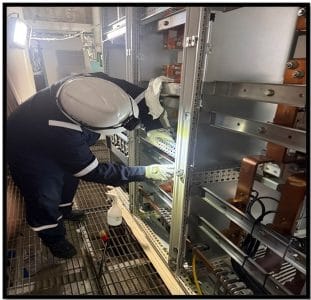
- Selective restoration of actively and passively ventilated switch/control cabinets
- Wet restoration of heating elements was carried out at the BELFOR branch
- Restoration of ceiling and wall structures in adjacent hall and production areas
- Sealing by means of a temporary roof structure above the hall roof/fire area in order to renew the roof and drainage channels
- Painting and coating works
Comprehensive Restoration Methods and Special BELFOR Products Used
- Use of dust extractors / industrial vacuum cleaners of the highest safety class H (HEPA14)
- Manual wipe-cleaning processSpray extraction process
- HDW – high-pressure washing process / use of small and large foam guns
- High-pressure cleaning crawlerImmersion bath restoration
- Preservation (components with product contact only with food-safe oils)
- Cavity fogging
- Foil tent drying
- Electronics restoration: selective cleaning / wet cleaning
- Shrink wrapping
- Disinfection work using customer-provided chemicals (for system components with direct product contact)
- Use of lifting platforms and forklift