Fire Damage Restoration During Ongoing Food Production
Case study from the archive · First published in 2009
A major fire caused extensive smoke damage throughout a food production facility in Wiltshire, UK. Despite the scale of the damage, the factory continued producing throughout the restoration. BELFOR Uk decontaminated affected areas while protecting the operational food production environment from cross-contamination.
Fire and Smoke Damage Across the Food Factory
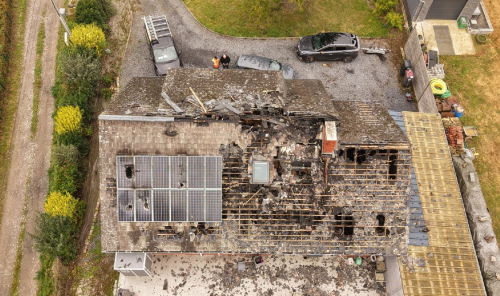
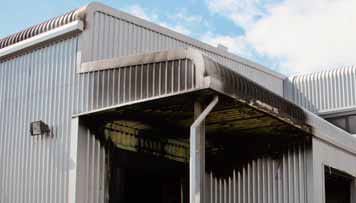
The fire started in a loading bay at a facility specialising in ham production, from butchery through to packaging. Flames caused significant physical damage around the loading area, while smoke spread across the ground and first floors.
The contamination affected the building structure and contents. Several areas required extensive stripping and decontamination, including offices, storage areas, the staff canteen, welfare facilities, boiler room and roof space above the production areas.
Fire Damage Restoration Without Stopping Production
The main challenge was clear: restore the affected areas without disrupting food production.
Strict hygiene requirements meant BELFOR had to prevent smoke residues and other contamination from reaching operational areas. The team first decontaminated the first floor, including welfare facilities, corridors and the development kitchen.
Keeping the development kitchen available was particularly important. The client used this area for product sampling with existing and prospective customers.
Specialist Decontamination Above an Operational Production Area
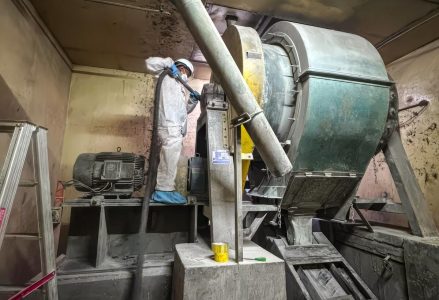
Smoke had also entered the ceiling cavity above the production floor. Working there required careful planning.
Large ceiling panels, each covering approximately 2 m² and supporting around 120 kg, were positioned eight to ten metres above the operational butchery and packaging area. Cabling, supporting structures and unguarded sections added further complexity.
BELFOR assessed the risks and established safe working methods that allowed specialists to decontaminate the area while employees continued working below.
Roof and Cladding Restoration Completes the Decontamination
Inspection also identified possible contamination behind the external cladding and within the roof structure.
Specialist teams removed sections of cladding to access and decontaminate the underlying brickwork and building structure. BELFOR coordinated closely with the roofing team so that each exposed section could be treated quickly and the building remained protected from the weather.
Where necessary, restoration work took place at weekends to minimise disruption and comply with safety and fire requirements.
Throughout the entire fire damage restoration, the factory remained operational and food production continued.