Damage to Hilton Hotel in Prague After Extensive Flooding
Case study from the archive · First published in 2002
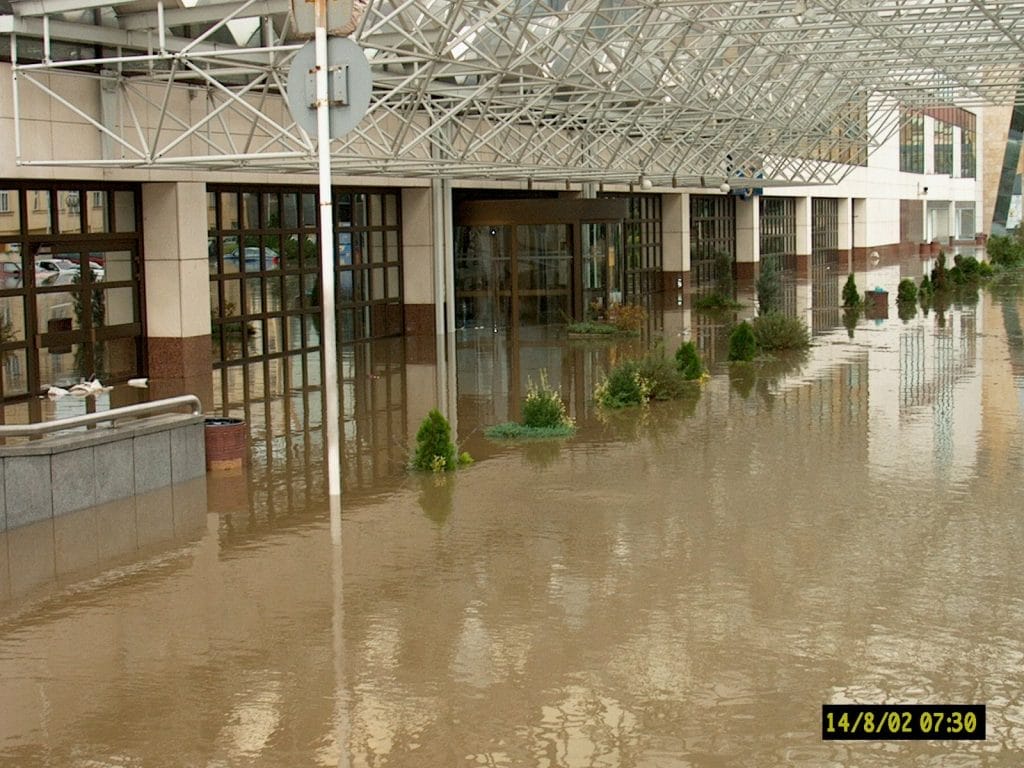
You will remember the reports that hit our television screens in the summer of 2002 when Europe was struck by some of the worst floods in over 200 years. They caused extensive damage and many deaths in cities across central Europe. One of the worst hit areas was the Czech Republic, particularly the historic capital, Prague.
Torrential rains caused the river Vltava, that runs through Prague, to reach its highest level since 1890 and saw city officials evacuate over 50,000 people from their homes. Many of the Czech capital’s famous 14th Century buildings were flooded and although the waters eventually receded, many of the city’s inhabitants were unable to return to their homes and businesses for a long time.
BELFOR mobilised a 500 strong team to deal with the aftermath of this widespread flooding. Those that were helped included many multinational corporations and companies suffering major losses. BELFOR were on site at, amongst others, a large watch manufacturer, paper mill, printers and CNC machine tool factory.
Help arrives quickly
A call came from international Loss Adjusters, Crawford & Company. Their UK office had been tasked with managing the massive loss at the Hilton Hotel in Prague. They immediately called BELFOR, knowing that with an incident of this scale, professional damage management resources were going to be in short supply.
BELFOR UK dispatched Allan Jones, Manager of BELFOR’s Portsmouth operations centre, who was seconded to Prague as Project Manager. He spent the next four months managing the cleaning, sanitising and drying of the Hilton Hotel.
The 788 bed, five star Hilton is the largest of several international hotels situated along the bank of the river Vltava in Prague. All were seriously affected by floodingwhen the river rose by 25 feet following heavy rain.
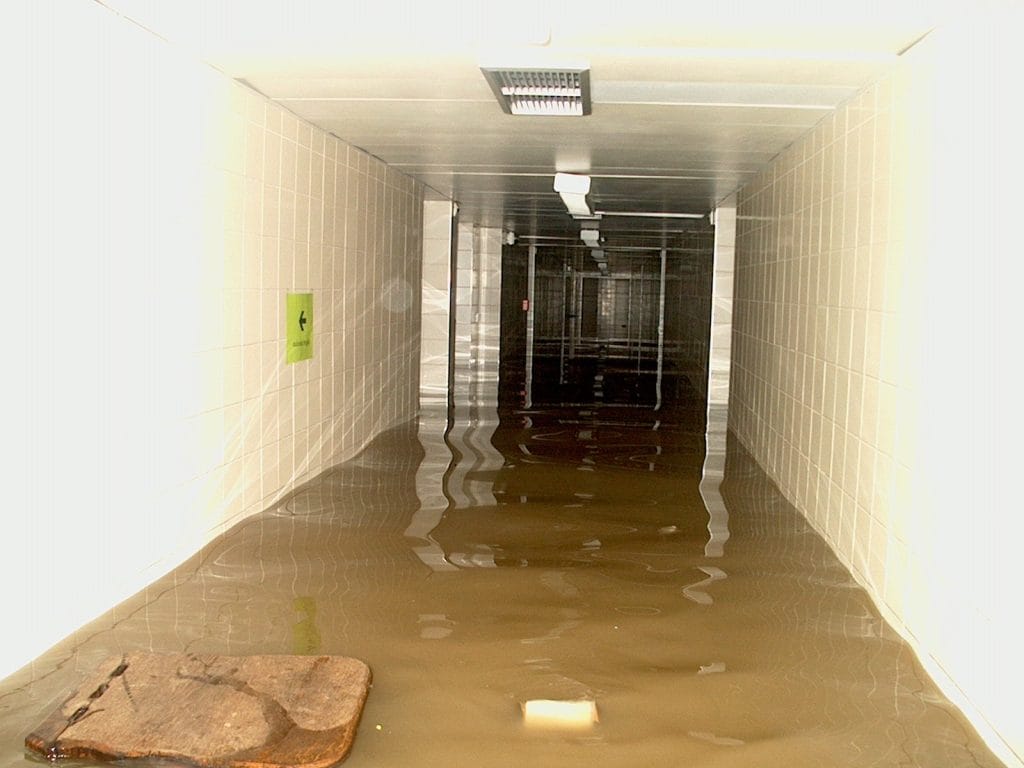
Allan Jones arrived at the hotel a week after the flood and found the ground floor reception area, the lower ground floor and subterranean car park of the Hilton Hotel covered in 5 inches of mud and silt which came from the nearby river and contained raw sewage.
Ready for NATO?
Whilst the ground floor contained the impressive public area of the hotel with marble floors and pillars, the lower ground floor was the real operational hub of the hotel and had been under water for several days:
· kitchens
· food stores
· the laundry
· boiler rooms
· pumping stations
· transformer room
· air conditioning equipment
· 3 cars that had been in the underground car park!
The lower ground floor was also where the casino and conference rooms were situated. The 1500 seated congress area was where the American Press Centre for the 16th NATO Summit was due to be based. The Summit bought together heads of state from all over the world. Would BELFOR be able to recover the hotel in time?
As well as local Czech BELFOR employees, at the general managers behest, over 100 hotel staff including chefs, butchers and housekeepers all helped in the clean
up under BELFOR’s supervision. The hotels own subcontracted cleaners were also enlisted although it was a different type of cleaning than they were used to!
The cleaning process begins – mud removal
Initially Allan Jones had to ensure that the hotel was mud free. This was going to be difficult but BELFOR’s innovative thinking found a solution. The hotels own fire hoses were used to disperse the mud and wash it out of the building. The force of the water from the flood meant that the contents of each room had been severely disrupted and in some cases locked access to rooms.
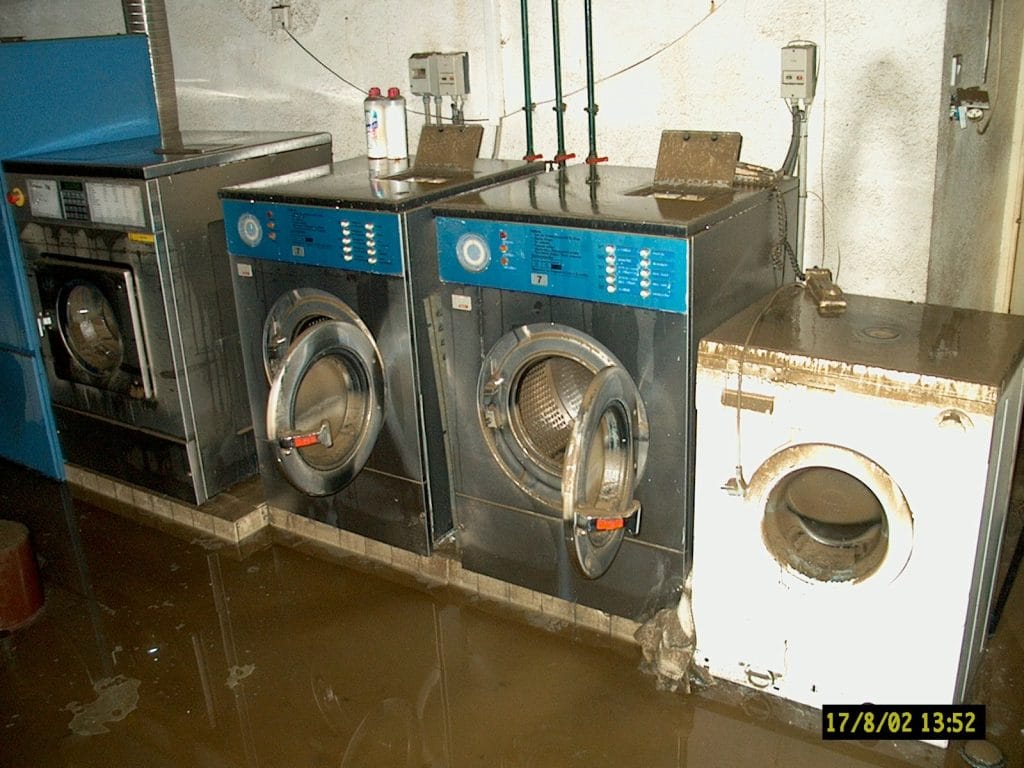
Because many items were hygiene critical and had been left in the mud for some time, Allan had to advise the hotel on what had to be disposed of. This included all kitchen equipment; pots, pans, crockery, worktops, ovens, fridges and the fully functional laundry lost; all sheets, towels, tablecloths, napkins, industrial washing machines, tumble dryers (these were so large a crane was used to remove the machines out of a side window).
Sanitising the area to neutralise bacteria
Following the mud removal the whole area had to be disinfected to neutralise any bacteria, making it as safe as possible to work. Then the deep cleaning took place, all affected areas were pressure washed with water and sanitised with BELFOR’s specially formulated chemicals.
After this the building contractors, were allowed in to start replacing tiles, walls, ceilings and doors. On BELFOR’s advice all toilets and washbasins were removed, pressure washed and dipped in chemicals before being re-installed. This was to avoid having to replace them all which was suggested by the advisors to the Czech government. When this was complete the whole area had be sanitised again in case their had been any cross contamination.
The final stage of cleaning involved hand scrubbing affected areas where hygiene is critical including kitchens and toilets as well as anywhere the public had access to. After cleaning the drying had to be carried out and this was on an unprecedented scale. A technician was employed full time to monitor the drying process.
This was particularly important in the congress hall and foyer which was lined, floor to ceiling, with cherry wood. This had been stripped ready for replacement so the walls had to be dried to a certain level to be sure that the new wood did not warp and bend. BELFOR agreed these three stages of intensive cleaning and the drying process with advisors to the Prague government. They were responsible for granting permits to work and overseeing the clean up throughout the city.
With strict instructions from the government to ensure work was completed to the highest level, they granted the Hilton hotel their health and hygiene certificate at their first attempt. This allowed them to re-open to guests only 6 weeks after the flooding, the first hotel in the area to do so.
BELFOR provide the right resolution for NATO
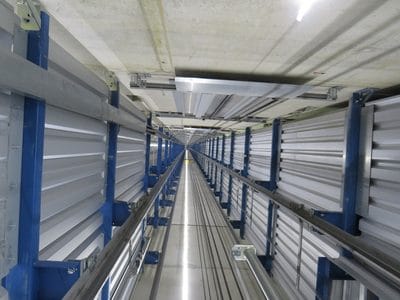
It is difficult to imagine the scale of this project that took over three months to complete. However, to put it in perspective, over 270 rooms and 16 lift shafts were cleaned, 274 drying machines were installed, radios and walkie talkies had to be used to communicate and Project Manager, Allan Jones, wore out four pairs of shoes, just walking around the hotel!
The hotel was cleaned, sanitised and restored in time for the arrival of the delegations for the NATO Summit, as well as hosting the American Press Centre. This was an important event for both Hilton hotels and the Czech government so it was essential that it was completed, and to a standard acceptable for world leaders! Do you think that the delegates would have guessed that only a few months earlier the hotel had been underwater and covered in mud and raw sewage?