Disinfection of a Cruise Ship Under Quarantine: Containing a Virus Outbreak in 16 Days

When a COVID-19 outbreak forced a cruise ship into quarantine, BELFOR successfully disinfected the entire vessel—covering over 111,500 m²—in just 16 days instead of the planned 30, enabling a safe and controlled recovery after a large-scale virus incident.
Virus Outbreak on a Cruise Ship Leads to Quarantine
At the beginning of 2020, the cruise ship Diamond Princess set out on an Asian voyage. Shortly after departure, a former passenger tested positive for COVID-19, triggering a full quarantine upon arrival in Yokohama.
Within weeks, the virus spread significantly among passengers and crew. Out of 3,711 people on board, 712 were infected—an infection rate of 19.2%—resulting in 14 deaths.
This situation created an urgent need for a structured, large-scale disinfection strategy to safely restore operations and prevent further contamination.
Disinfection Strategy for a Large Quarantine Environment
Even before disinfection began, BELFOR worked closely with health authorities and international hygiene experts to develop a detailed disinfection protocol.
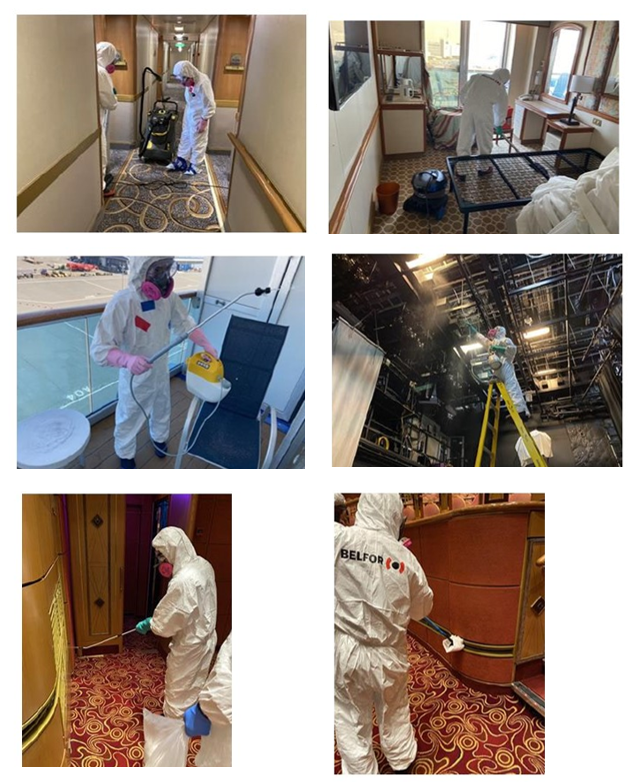
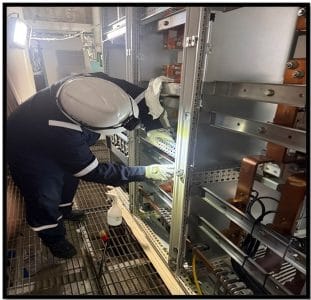
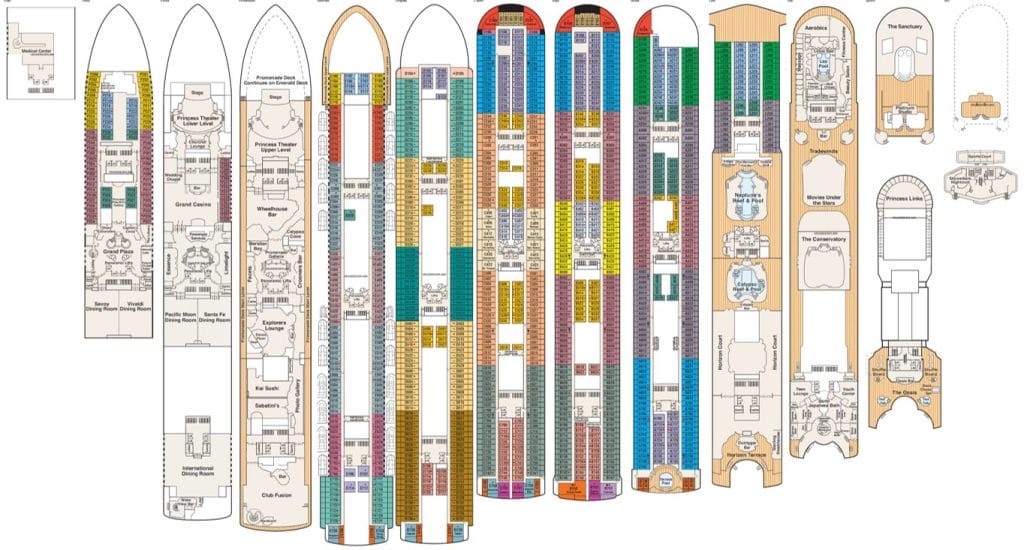
The operation started immediately after the last crew member left the quarantined ship. The scope was extensive: around 2,000 cabins, public areas such as restaurants and a theatre, and all technical systems had to be treated.
To ensure both efficiency and safety, BELFOR deployed 250 specialists working in three shifts around the clock.
Efficient Disinfection of 111,500 m² Within 16 Days
The biggest challenge was the sheer scale of the vessel. With a total area of approximately 111,500 m²—equivalent to around 15 football pitches—the project required precise planning and execution.
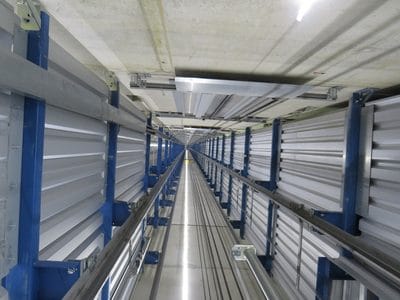
Instead of working deck by deck, BELFOR applied a vertical disinfection approach based on fire protection zones. This allowed teams to treat ventilation systems first, replace filters, and then disinfect all surfaces systematically from top to bottom.
High-contact surfaces and heavily used areas received special attention, ensuring that the virus risk was minimized across the entire ship.
As a result, BELFOR completed the disinfection in just 16 days—almost twice as fast as initially planned—while maintaining the highest safety standards for both workers and future occupants.
Safe Handling of Virus Contamination in Complex Environments
The project highlights how complex environments under quarantine can be safely restored with the right expertise, structure, and hygiene protocols.
Key success factors included:
- Early coordination with health authorities and industrial hygienists
- A clear, scalable disinfection plan
- Strict safety measures for all personnel
- A systematic, zone-based approach for large environments
These principles are transferable to industrial sites, commercial buildings, and other high-risk environments facing virus contamination or quarantine scenarios.
What Companies Can Learn for Future Virus and Quarantine Scenarios
The case also shows how organizations can reduce disruption and protect people when dealing with virus risks:
- No suspected infection: Preventive cleaning reduces risk while operations are paused
- Suspected infection: Targeted disinfection protects employees and avoids spread
- Confirmed infection: A full hygiene concept and professional disinfection are essential
By acting early and following a structured approach, companies can maintain business continuity even in critical situations involving quarantine and virus outbreaks.