The Phoenix from Tübingen: Reconstruction of a fire damaged machine tool believed lost
Case study from the archive · First published in 2008
Fire restoration means not merely washing off soot and removing burnt cables. Professionals also manage to restore something that at first looks like it is completely beyond repair.
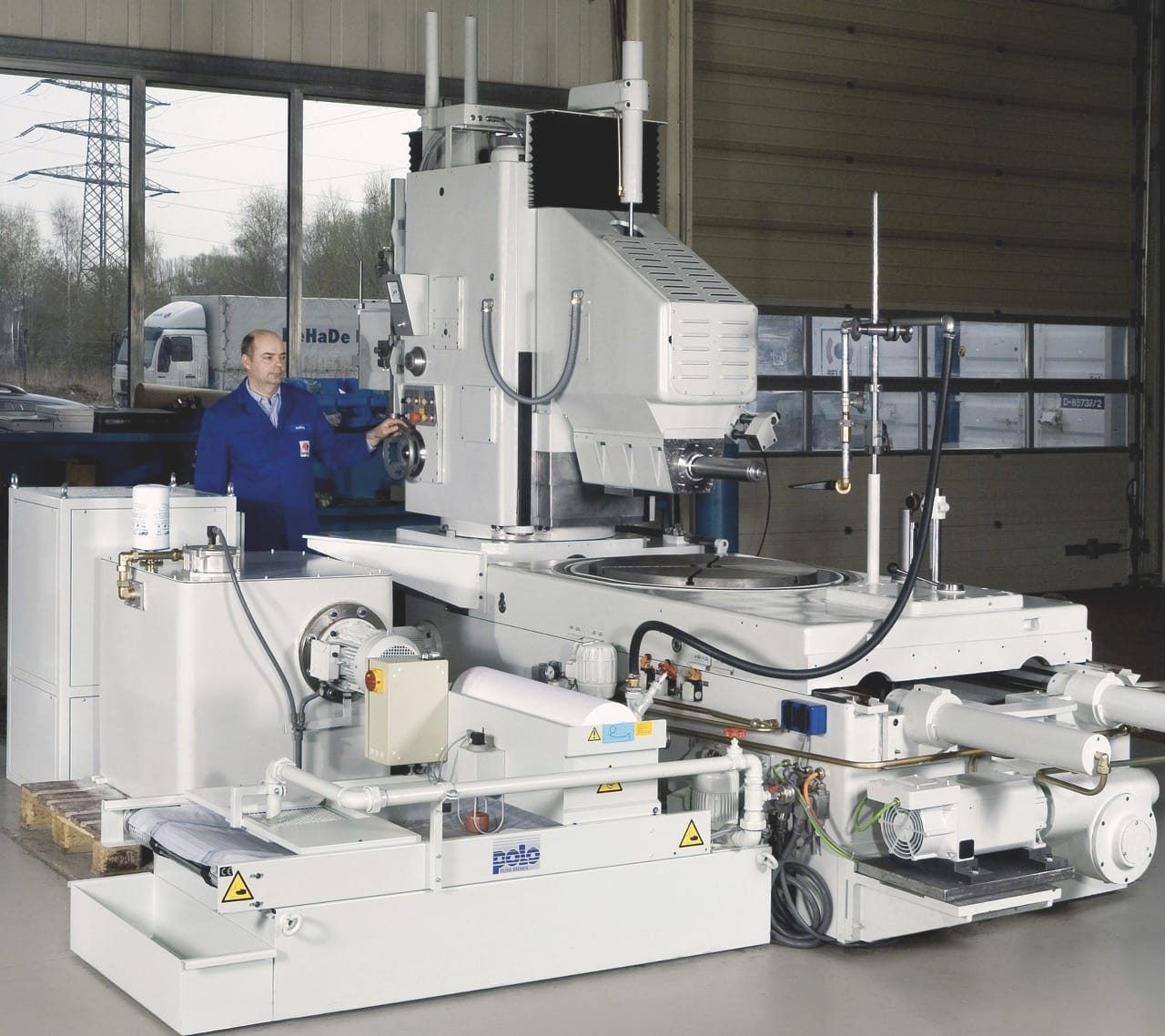
At first everything seemed hopeless: the fire at Walter AG in Tübingen, a manufacturer of hard metal tools, had not even spared the machine tools. In many areas production simply ground to a halt. One of the most important machines had been hit particularly hard: a grinder which machines parts of up to 1,200 mm in diameter with extreme precision.
It was a custom-made design from the 1970s. The expert from the insurance company considered the machine lost – as did Walter AG. Wanting to continue to offer its customers the precise machining they were used to, it had to face the fact that it would have to buy a new machine at tremendous expense, whether it liked it or not. Delivery time: one year.
The air is thin at the top
To support the firm in this critical situation, the insurance company looked for a provider who could remove the fire damage as well as repair machines. This league of suppliers, however, is fairly small, and even fewer companies are able to perform this type of work in a very short time – such as BELFOR DeHaDe.
Both a repair and restoration company, DeHaDe accepted the assignment in Hamm. Meanwhile it turned out that the machine manufacturer had sold his rights to trade with this machine type. It was questionable whether the new licence holder would be able to procure a used machine which could meet the same high quality standards. The risk was too great for Walter AG. So the question was “What if perhaps . . . ?”
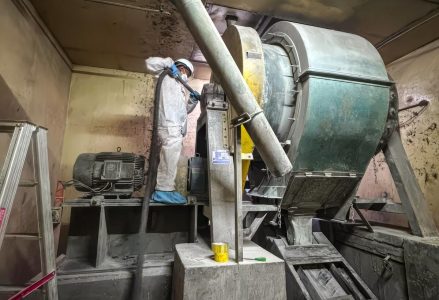
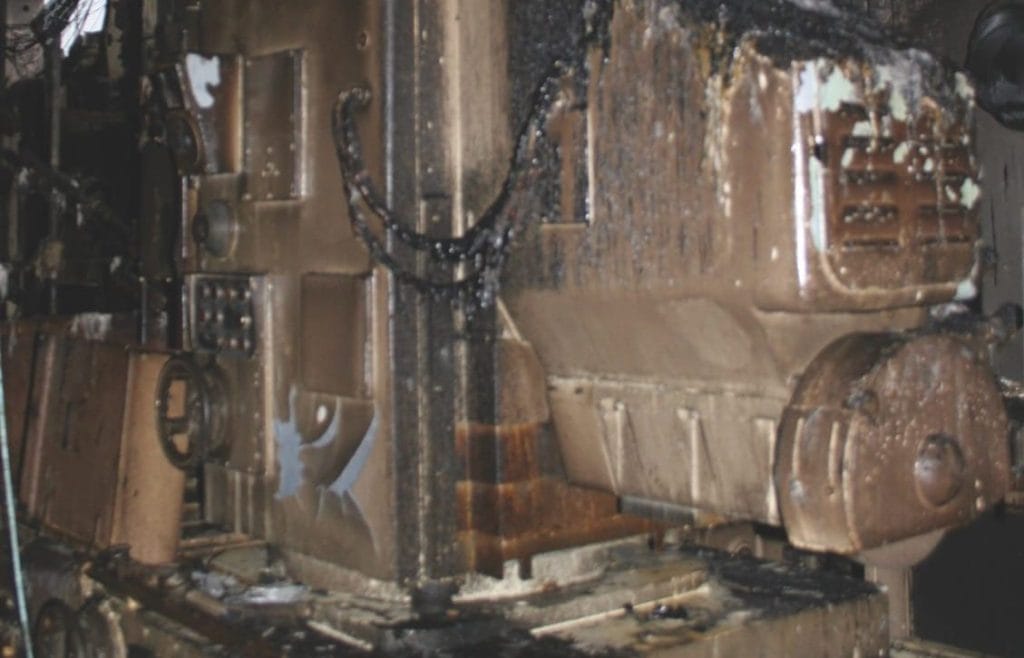
Driven by hope, the restoration experts began to record the damage in detail. The picture they were looking at was typical of the situation after such a damage incident: bitumen covered large parts of the machines and most of the paint underneath had flaked off. All cables turned out to be waste, as they had burned down to the naked metal wire. The heavily contaminated and corroded control unit seemed to be beyond repair, as did the drive. The outside of the hydraulic system had corroded and the hydraulic hoses were no longer usable.
The mechanics of the machine did not look good, either. The corroded guideways indicated that if the machine was to be recovered, the entire machine geometry would have to be restored.
BELFOR to the rescue!
This was the bad news – the result of five days of expert assessment. But there was also good news: it wasn’t a hopeless case after all. BELFOR offered to restore the machine. To do this, the machine would have to be completely disassembled in order to clean all components and perform a detailed check. It was likely that procuring spare parts, e.g. for the hydraulic system, would be difficult after this step was accomplished. Spare parts would be needed for the entire control unit, and the machine geometry would have to be completely overhauled and readjusted.
Once a new coat of paint had been applied, reassembly, measuring, acceptance testing, start-up operation and warranty would be necessary, among other jobs. It would take them ten weeks, the experts estimated. The client breathed a sigh of relief and not long after the fire, the machine arrived at DeHaDe in Hamm.
But the happy ending was a while in coming. Once the machine was disassembled, additional, hidden damage was detected – nothing out of the ordinary in a case like this. Due to corrosion, the spindle could not be saved and the same was true for the plain bearings. The entire hydraulic system turned out to be more seriously damaged than had originally been assumed. Here too: total loss!
Restoration turns a good machine into a top machine
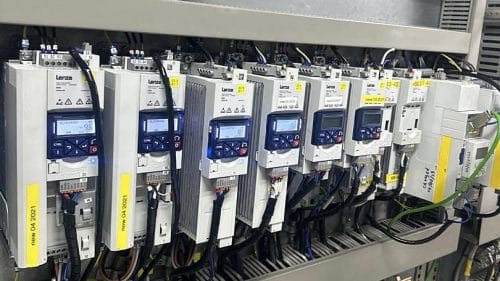
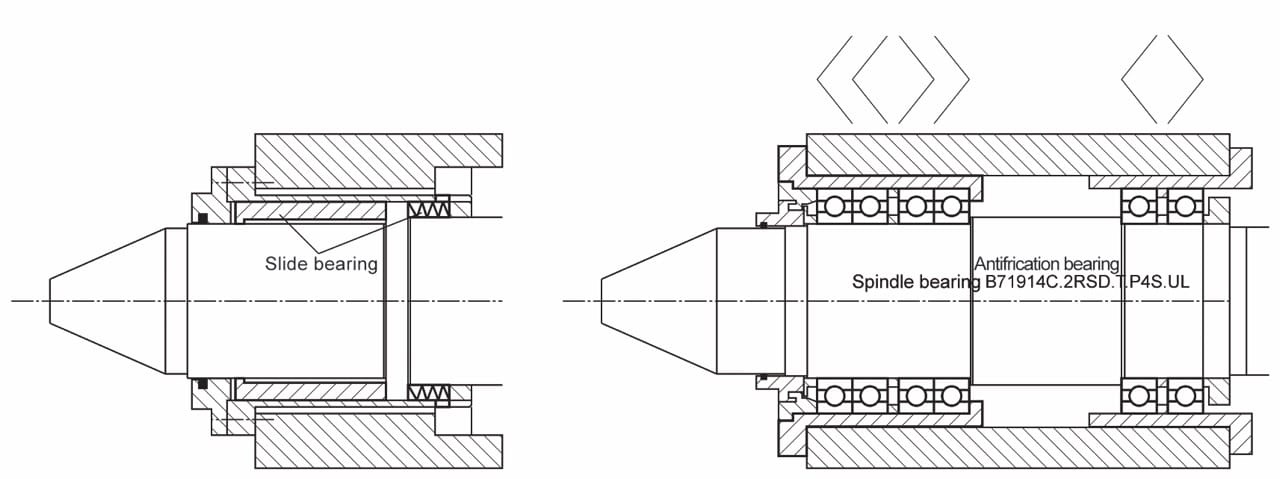
The hydraulic system had to be rebuilt and made more accessible. During the process of the restoration some modifications were made to the machine: roller bearings replaced the former plain bearings, and with the new control unit the speed could now be set with proportional valves via the two existing cylinders. The speed control was replaced by a frequency control. All modifications to the machine were documented by CAD and the operating instructions were updated.
Ten weeks later
Ten weeks later the machine was back in operation. The acceptance testing revealed that it met the requirements in all categories. It now provides the same high degree of quality as it did before. Total expense for the restoration: 230,000 euros.
This is not peanuts, but Walter AG did avoid continued loss of production and now has a more modern and better machine than it did before the fire. A classic Phoenix arising from the ashes. And impressive proof to boot that “burned down” no longer necessarily means “lost”.