Military Equipment Redeployment from Afghanistan: Large-Scale Decontamination Restores Function and Value
Case study from the archive · First published in 2011
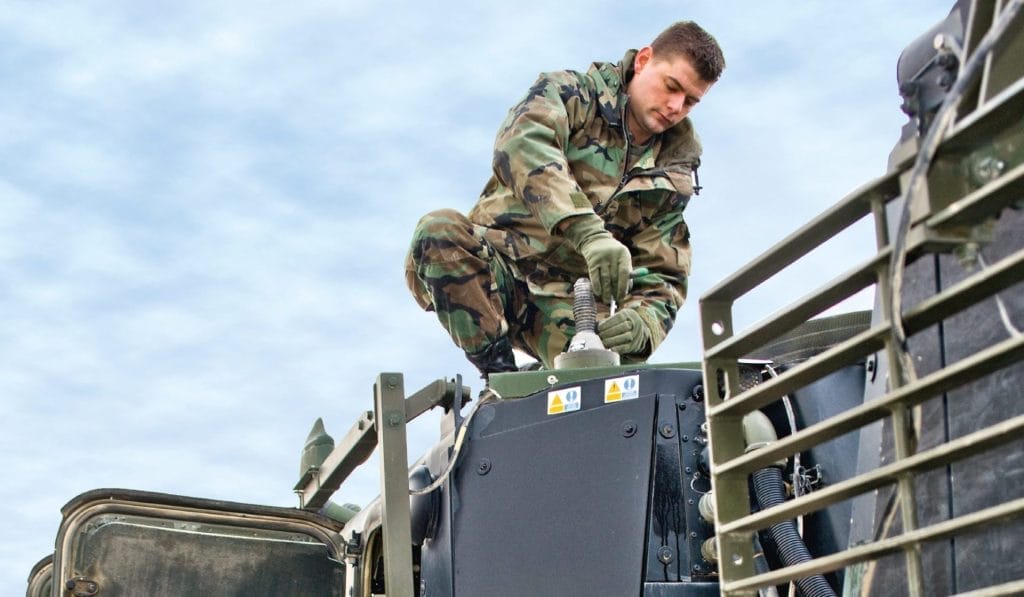
After the withdrawal of Dutch forces from Afghanistan in 2010, BELFOR successfully decontaminated and restored large volumes of high-tech military equipment, returning it to near-new condition and full functionality. The project enabled the Dutch Ministry of Defence to rapidly reuse critical assets instead of replacing them, preserving both operational readiness and asset value.
Rapid Redeployment Required Restoration, Not Replacement
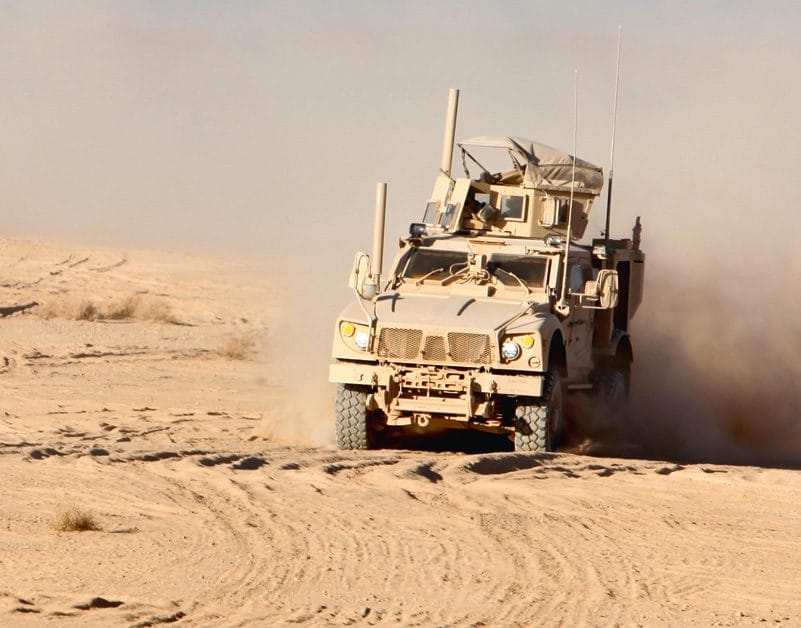
Following a parliamentary decision in October 2009, the Netherlands began dismantling its military presence in Uruzgan in July 2010. Equipment used in harsh desert conditions had to be transported back to the Army distribution centre in Coevorden.
Months of exposure to extreme heat, dust, humidity, and combat conditions had taken a visible toll. Sensitive electronic systems such as jammers and scramblers, along with accessories like batteries, cables, and field gear, showed clear signs of contamination and wear.
At the same time, much of the equipment remained fundamentally functional. The key question was how to restore usability quickly and safely, rather than replace valuable assets.
BELFOR Wins the Project Through Technical Expertise
Several providers were invited to assess the condition of the equipment and propose solutions. BELFOR Netherlands, supported by a technical competence center in Germany, adapted its decontamination expertise to meet strict military requirements.
The proposal delivered a clear, reliable approach to restoring both standard and classified equipment. Within weeks, BELFOR was awarded the contract, based on its ability to combine technical precision with operational reliability.
Dual Cleaning Strategy Enables Efficient Large-Scale Processing
The operation began in September 2010 at the Coevorden distribution centre. BELFOR implemented a structured approach by establishing two dedicated cleaning lines.
One line handled uncategorised material, while the second was designed for classified military equipment. The latter operated under strict security conditions inside the armoury and was only accessible to authorised personnel.
This separation ensured both efficiency and compliance with military security protocols, while maintaining a steady processing flow.
Controlled Decontamination Restores Functionality
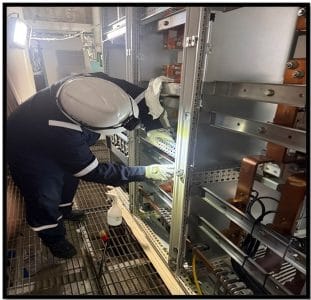
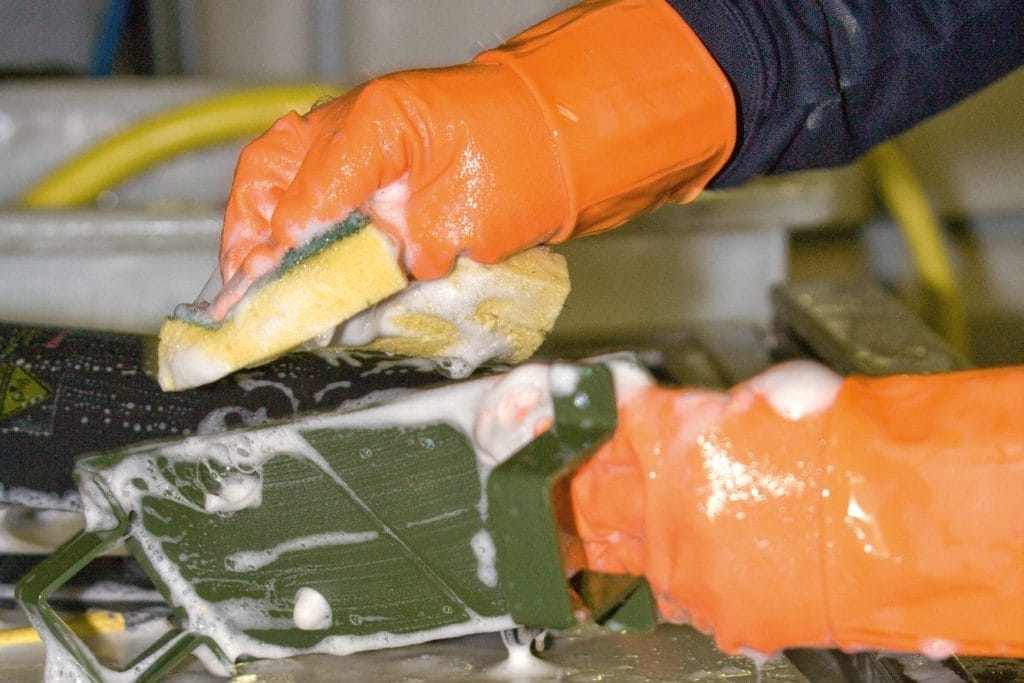
Under continuous military supervision, two BELFOR teams carried out the decontamination process using both wet and dry cleaning methods. These methods are designed to remove contamination such as dust, corrosion residues, mould, and environmental deposits without damaging sensitive components.
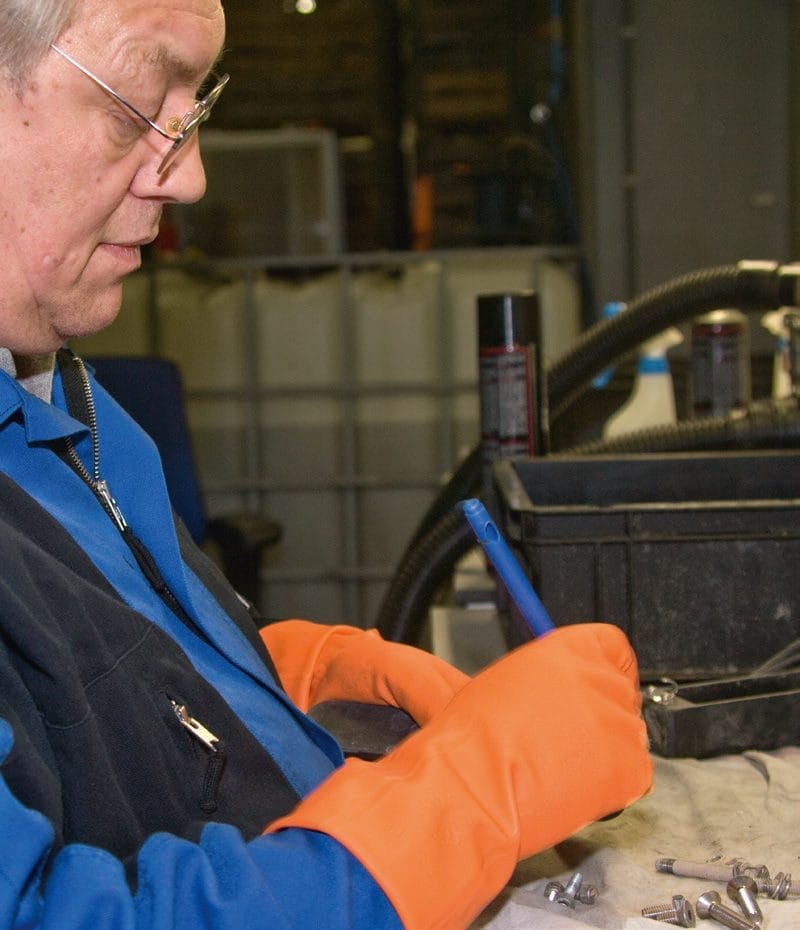
The cleaning lines were flexible and could be scaled between four and fourteen workstations depending on the volume of incoming equipment. This allowed BELFOR to maintain consistent throughput even under fluctuating workloads.
The focus was not only on visual restoration, but on ensuring that all equipment was fully functional and safe for reuse.
Equipment Returned in Near-New Condition
By January 2011, the results were inspected by Dutch military leadership. The restored equipment presented in near-new condition, both visually and technically.
In some cases, performance even improved compared to pre-restoration condition, due to the removal of accumulated contaminants that had affected functionality over time.
This outcome confirmed that professional decontamination can extend the lifecycle of sensitive equipment and restore operational readiness without the delays and costs of replacement.
Strategic Impact Beyond the Project
The success of the project created additional value beyond the immediate recovery. The visible quality of the results led to further engagement between BELFOR Netherlands and multiple departments within the Dutch Ministry of Defence.
The project demonstrated that even equipment exposed to extreme environments and operational stress can be effectively restored when the right expertise, processes, and controls are applied.